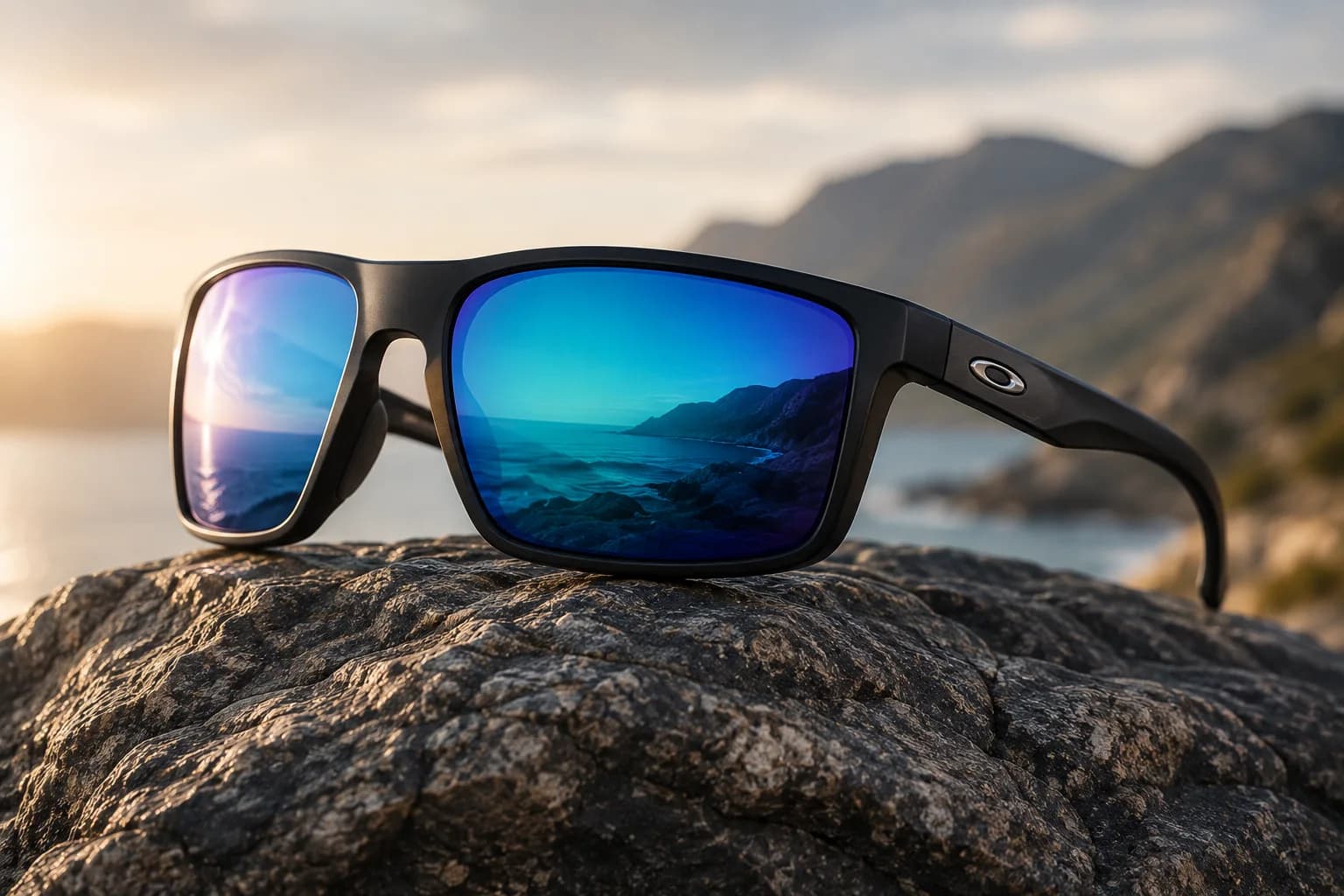
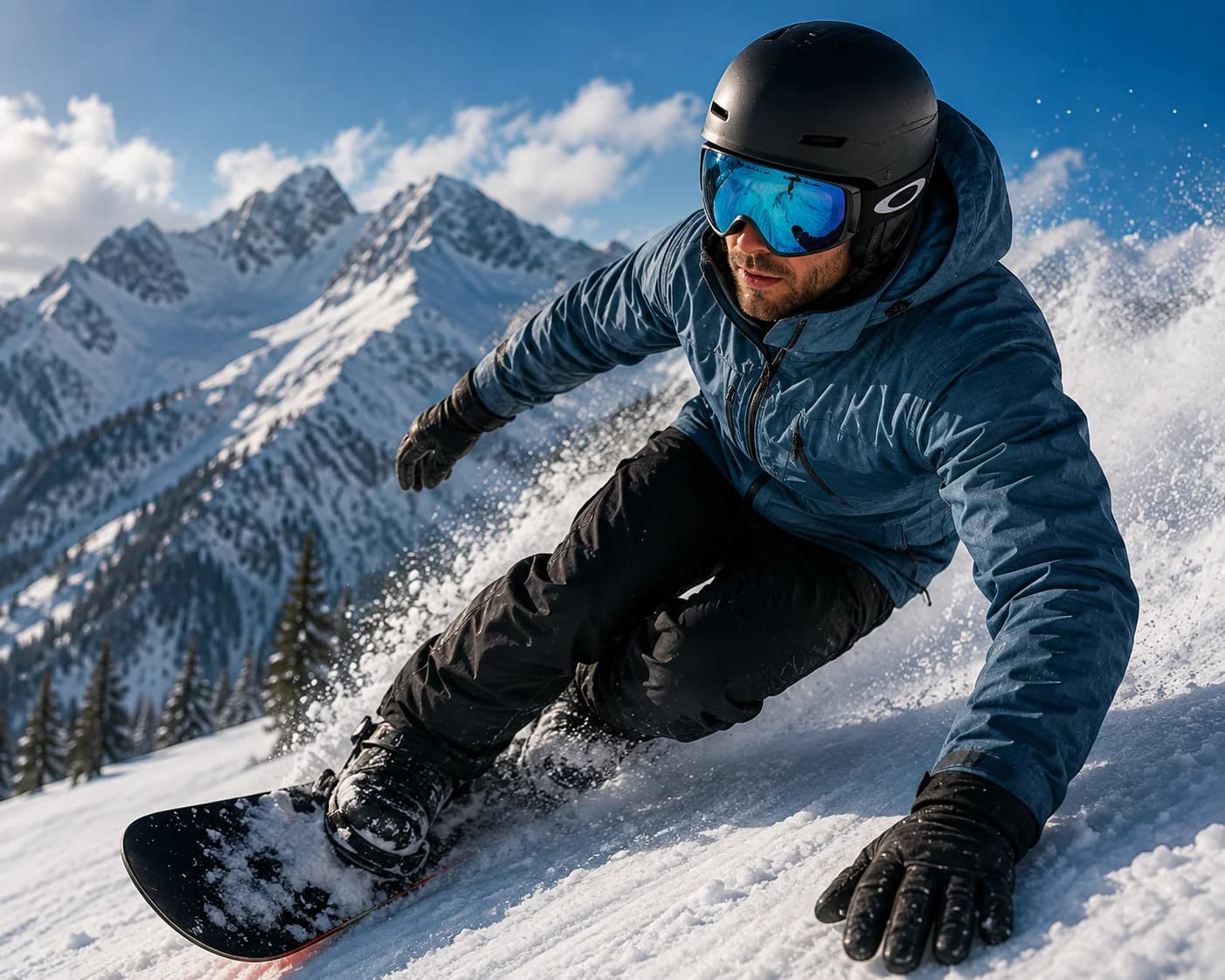
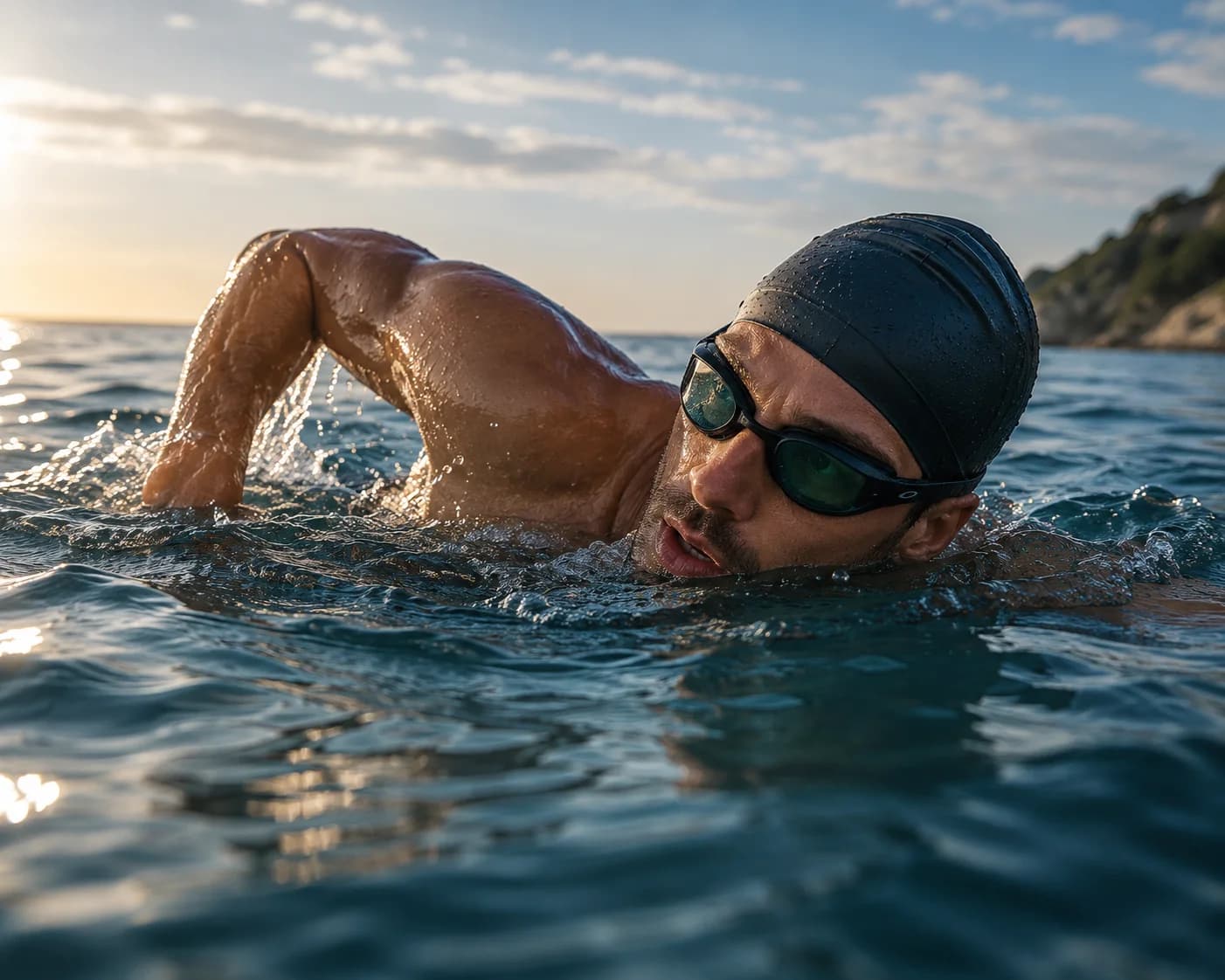
Sports Lens Technology

Clearer Vision. Ready for Every Condition.

Bright sun, reflected glare, changing light, moisture and fogging can all affect your view. Choose lens technology around your prescription, sport and environment.

Prescription Ready

Options for suitable single-vision and varifocal prescriptions.

Built Around Your Sport

Start with the conditions your activity creates.

Technology With a Purpose

Choose features that solve a real visual problem.

Expert Advice

Ask for help matching the frame, prescription and lens.

Quality Guaranteed

Carefully checked frames and lenses.

Why Does Lens Technology Matter in Sport?

Different sports create different visual challenges — from bright sunlight and reflected glare to changing light, rain, condensation and fast movement. Choose the technology that suits the conditions you actually face.

Find the Right Lens

Popular Sports

Explore Sports Lens Technology

Different technologies solve different visual challenges. Explore what each option can do for you.

01 — Polarised

Reduce Reflected Glare
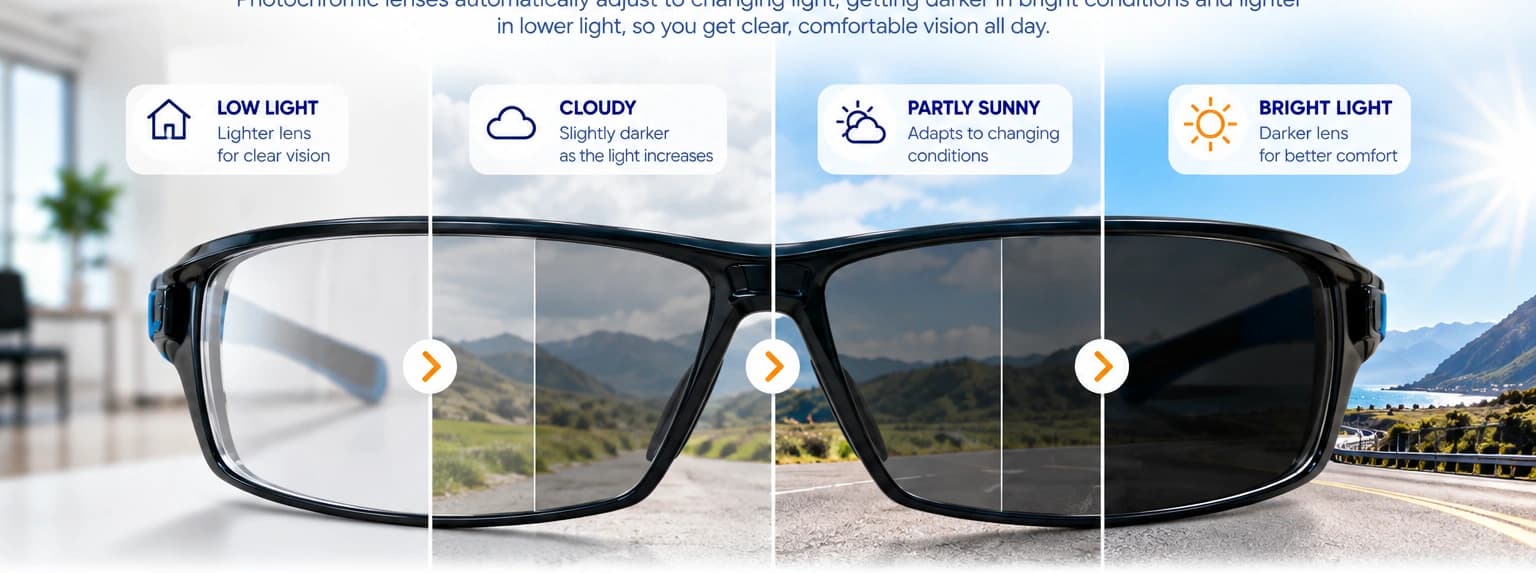
Diagram showing polarised lenses filtering reflected glare from water.

Polarised lenses are designed to reduce reflected glare from surfaces such as water and roads. They can provide a more comfortable view in bright, reflective conditions.

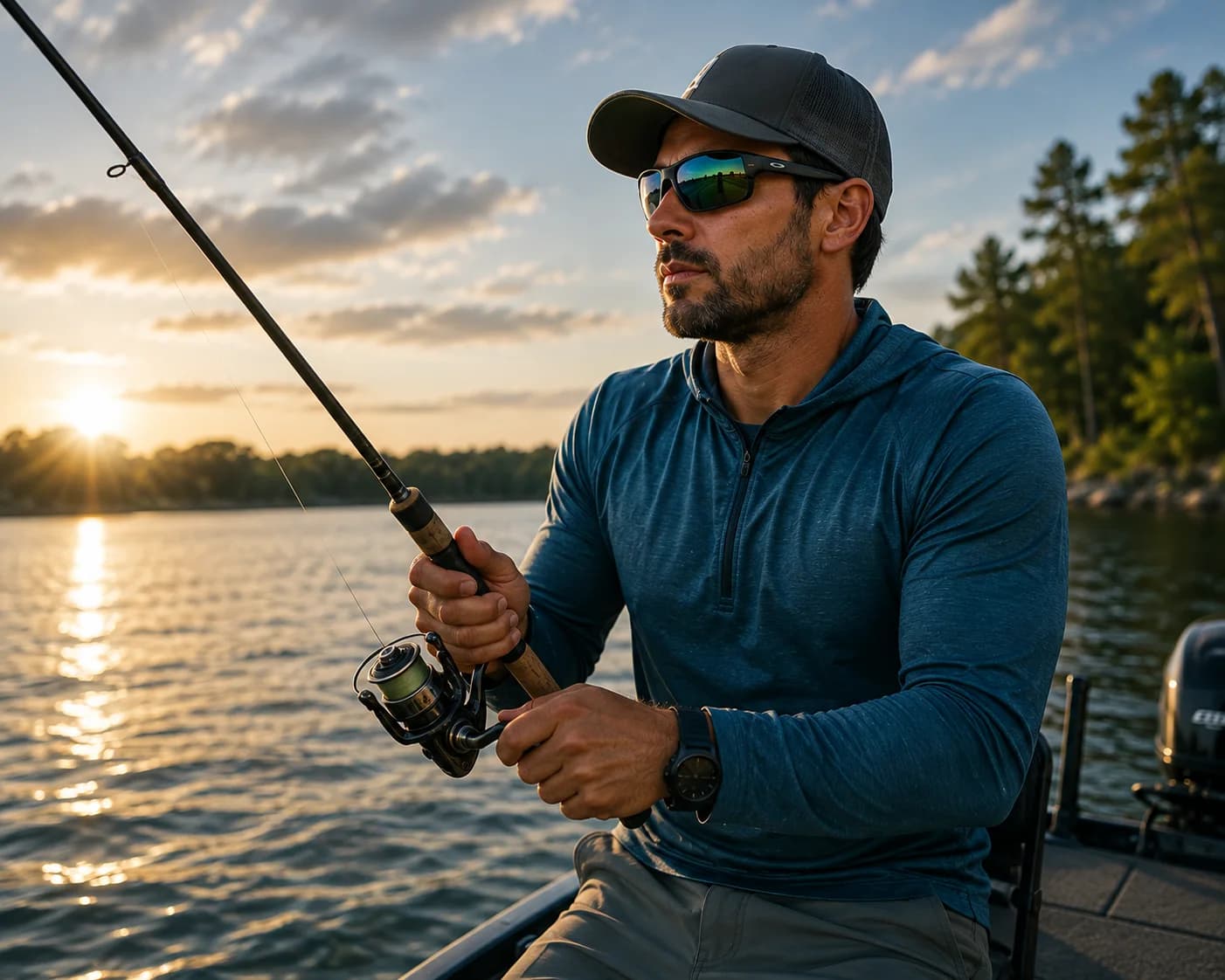
Consider for: Fishing, waterside activities and other glare-heavy environments. Polarisation is not automatically the right choice for every sport or display environment.

Learn more
02 — Photochromic

Adapt to Changing Light

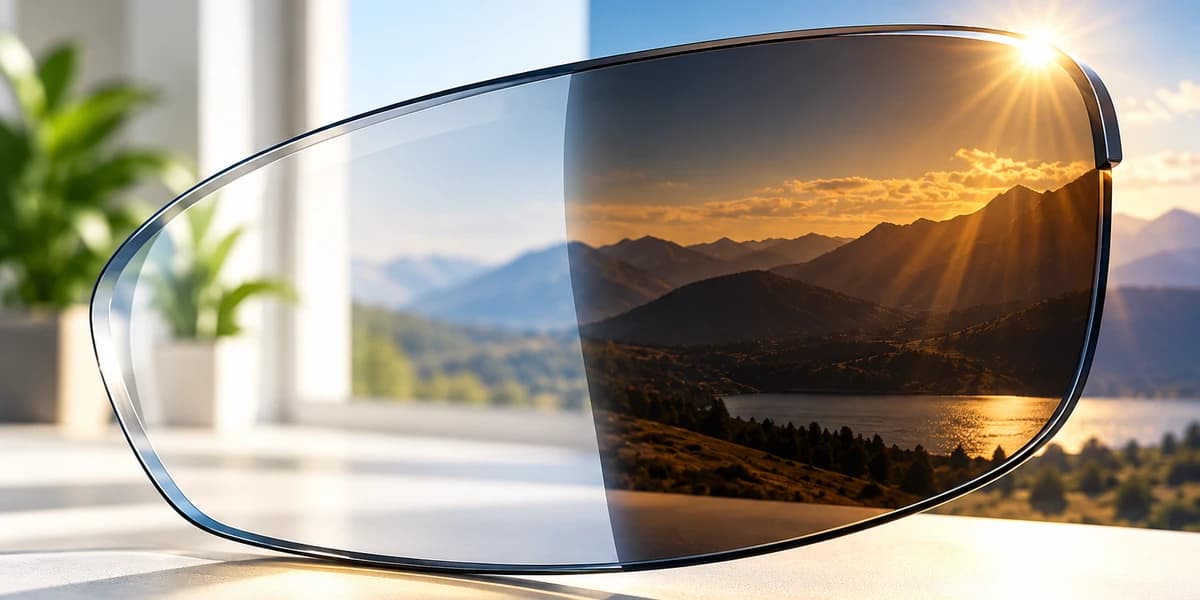
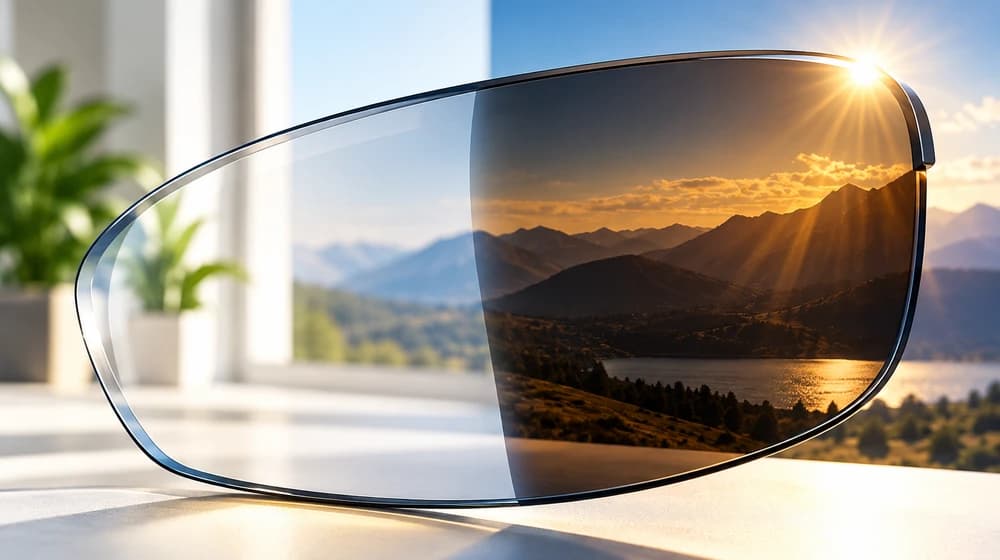
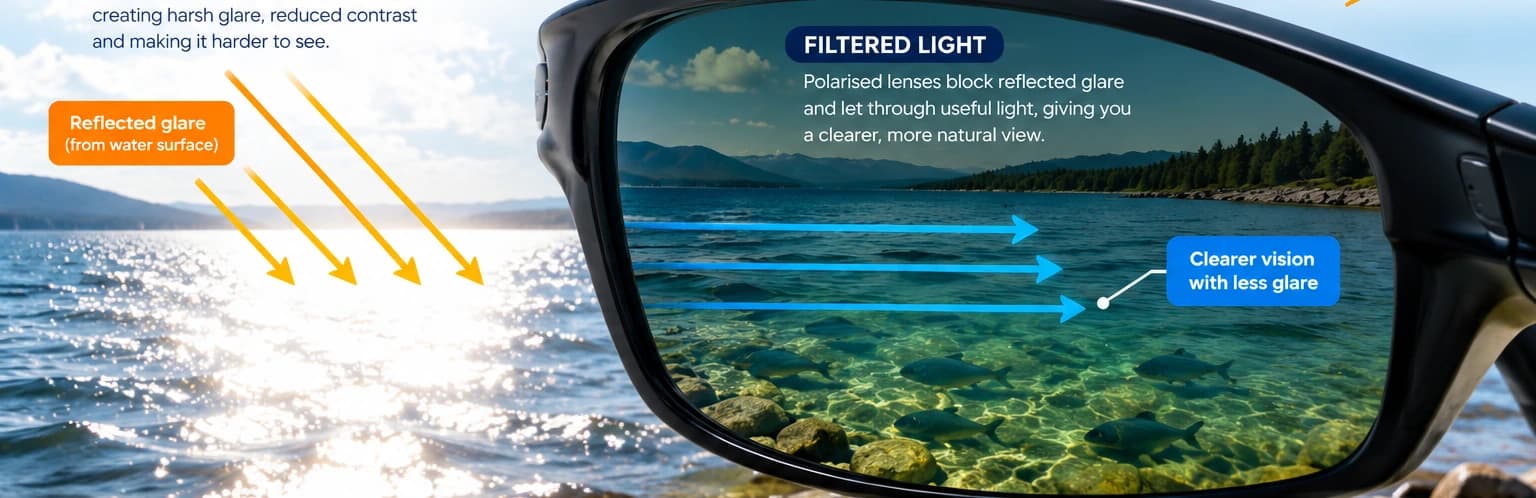
Sequence showing photochromic sports lenses changing from clear to darker in brighter light.

Photochromic lenses become darker in brighter conditions and lighter as conditions become less bright. They are useful when your activity moves through variable outdoor light.

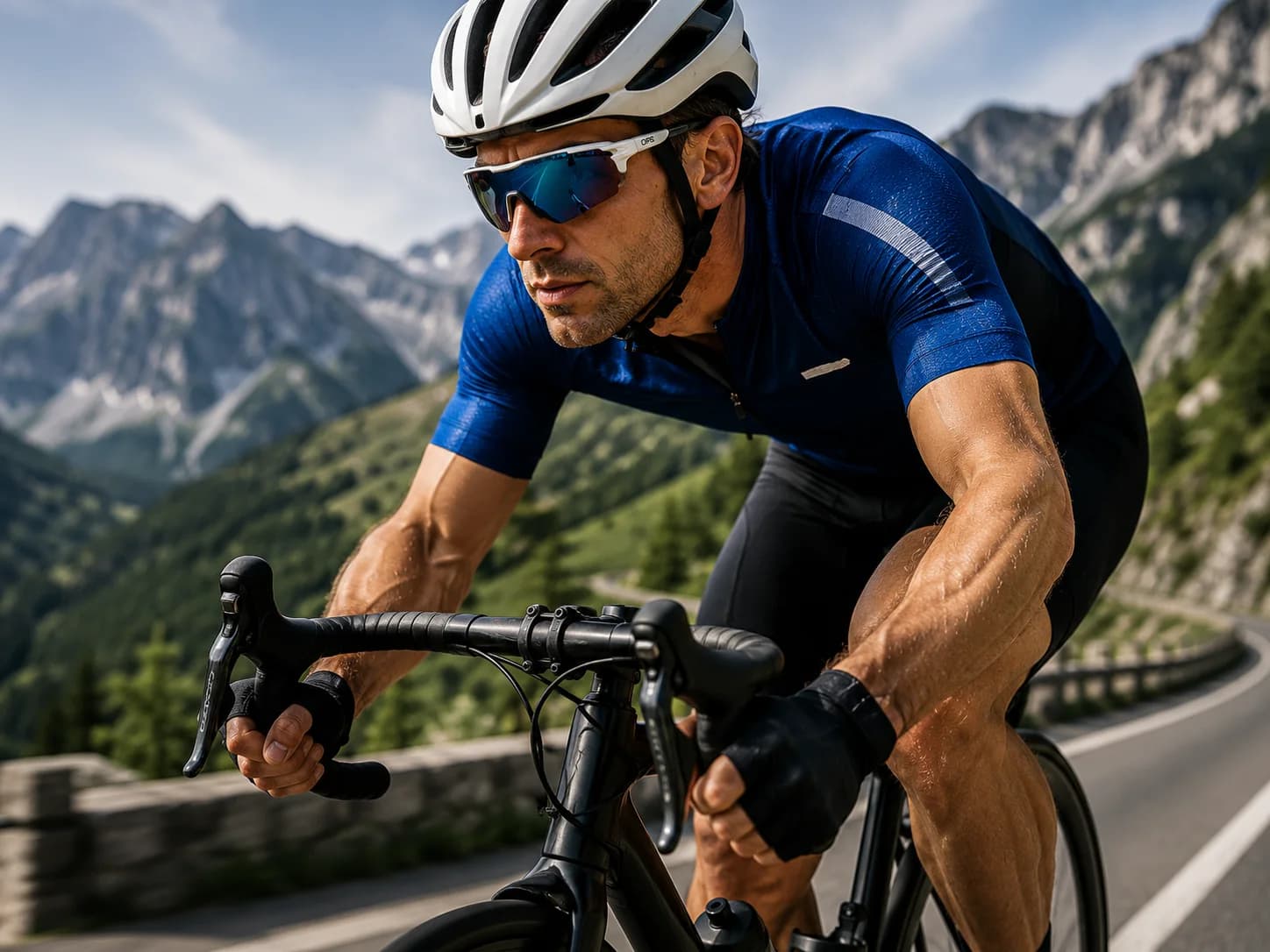
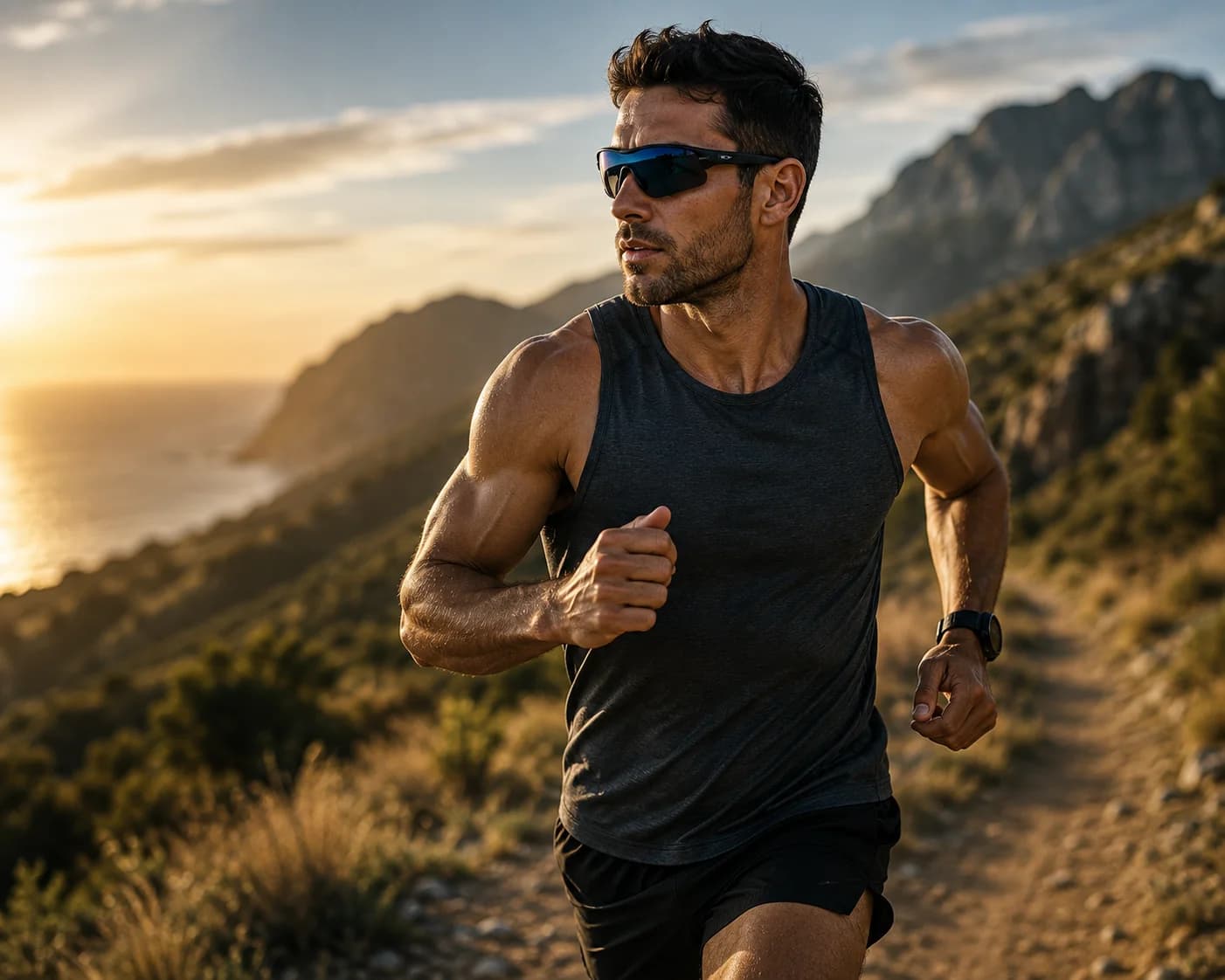
Consider for: Cycling, running and other outdoor activities with changing light.

Learn more

03 — Anti-Fog

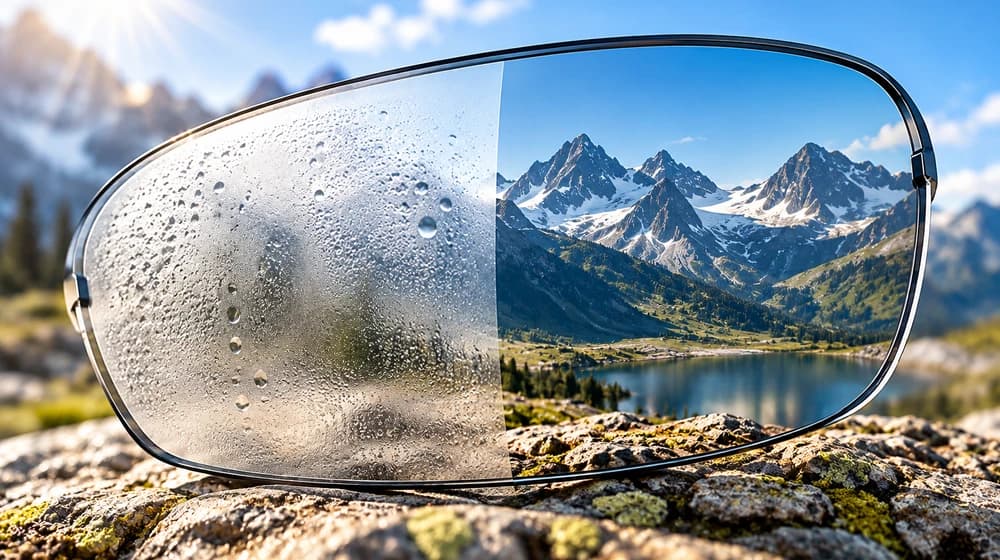
Help Manage Condensation

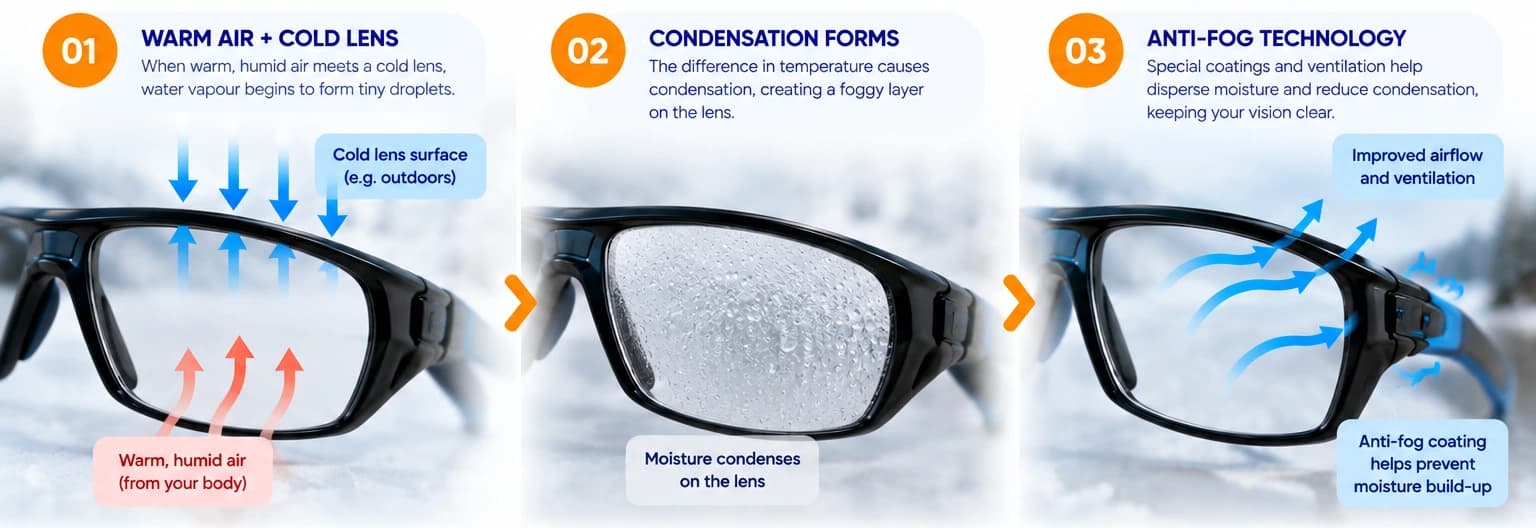
Three-stage diagram showing how anti-fog treatment helps manage condensation on sports lenses.

Anti-fog technology helps manage condensation caused by exercise, temperature changes and restricted airflow. Frame ventilation also plays an important role.

Consider for: Cycling, skiing, snowboarding, helmet use and cold-weather activity.

Learn more

04 — Hydrophobic

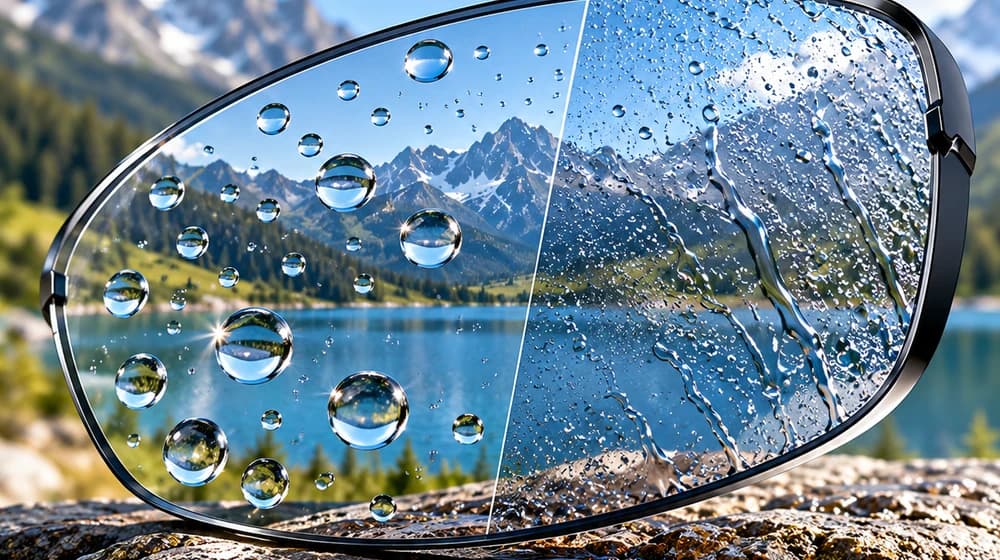
Help Water Move Away

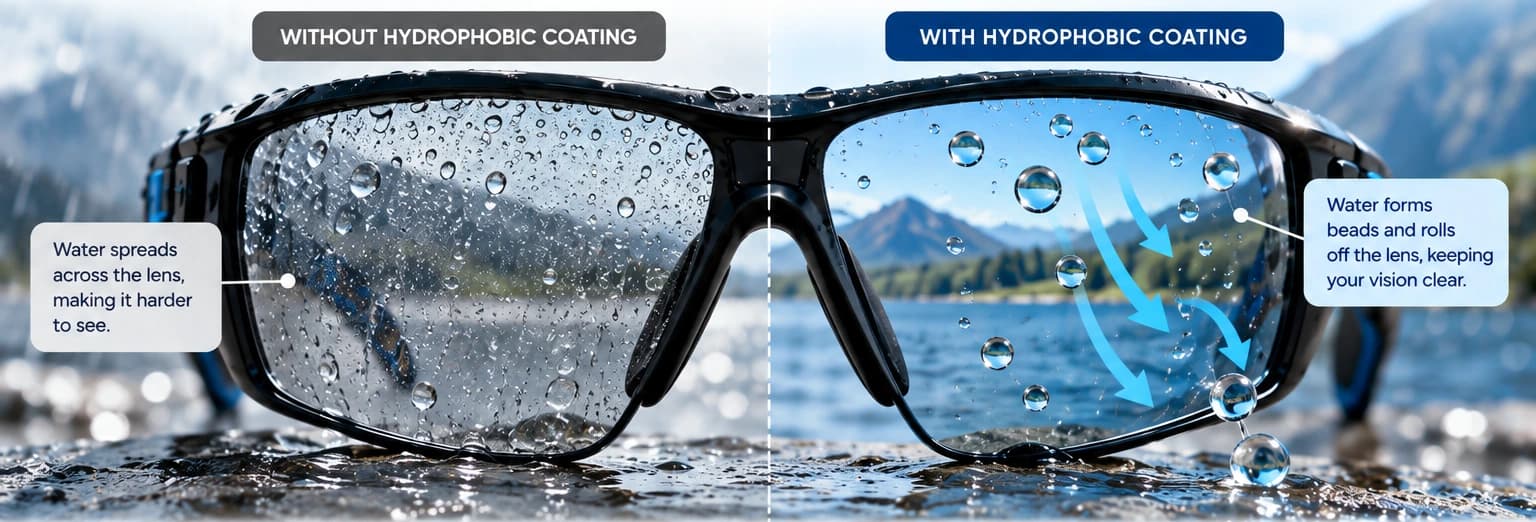
Comparison showing water remaining on an untreated lens and rolling away from a hydrophobic lens.

A hydrophobic treatment helps rain, spray and moisture move away from the lens surface more easily, making wet conditions easier to manage.

Consider for: Cycling, fishing, watersports and outdoor activity in changeable weather.

Learn more

05 — UV Protection

Consider Outdoor Exposure

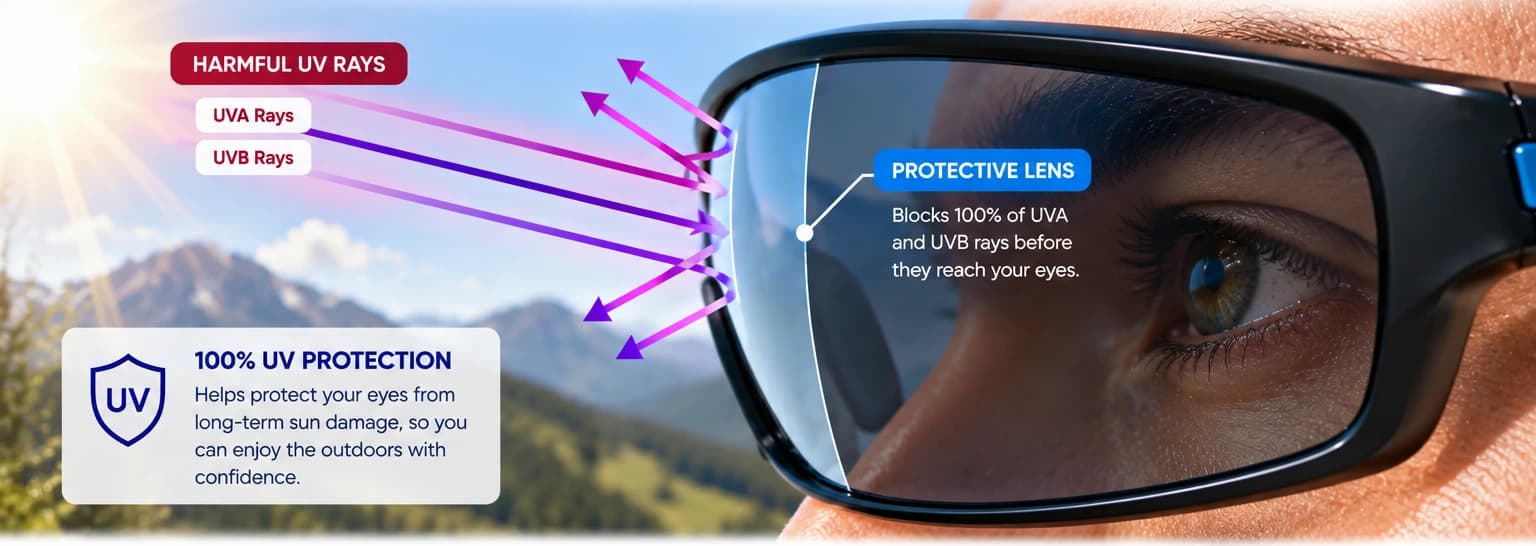
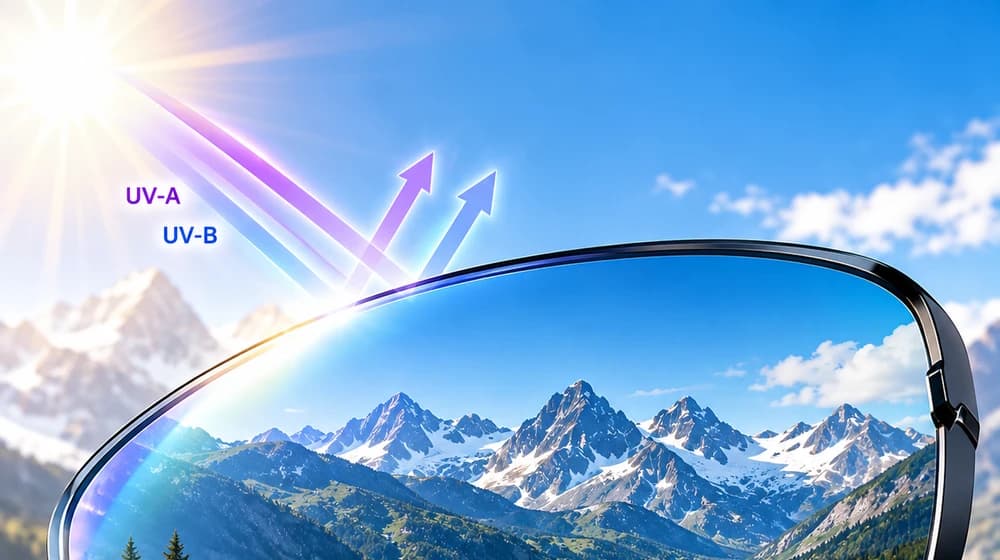
Diagram showing a sports lens between the wearer's eye and incoming UVA and UVB rays.

UV protection is an important consideration when you spend time outdoors. Lens darkness alone does not tell you the level of UV protection, so check the individual lens specification.

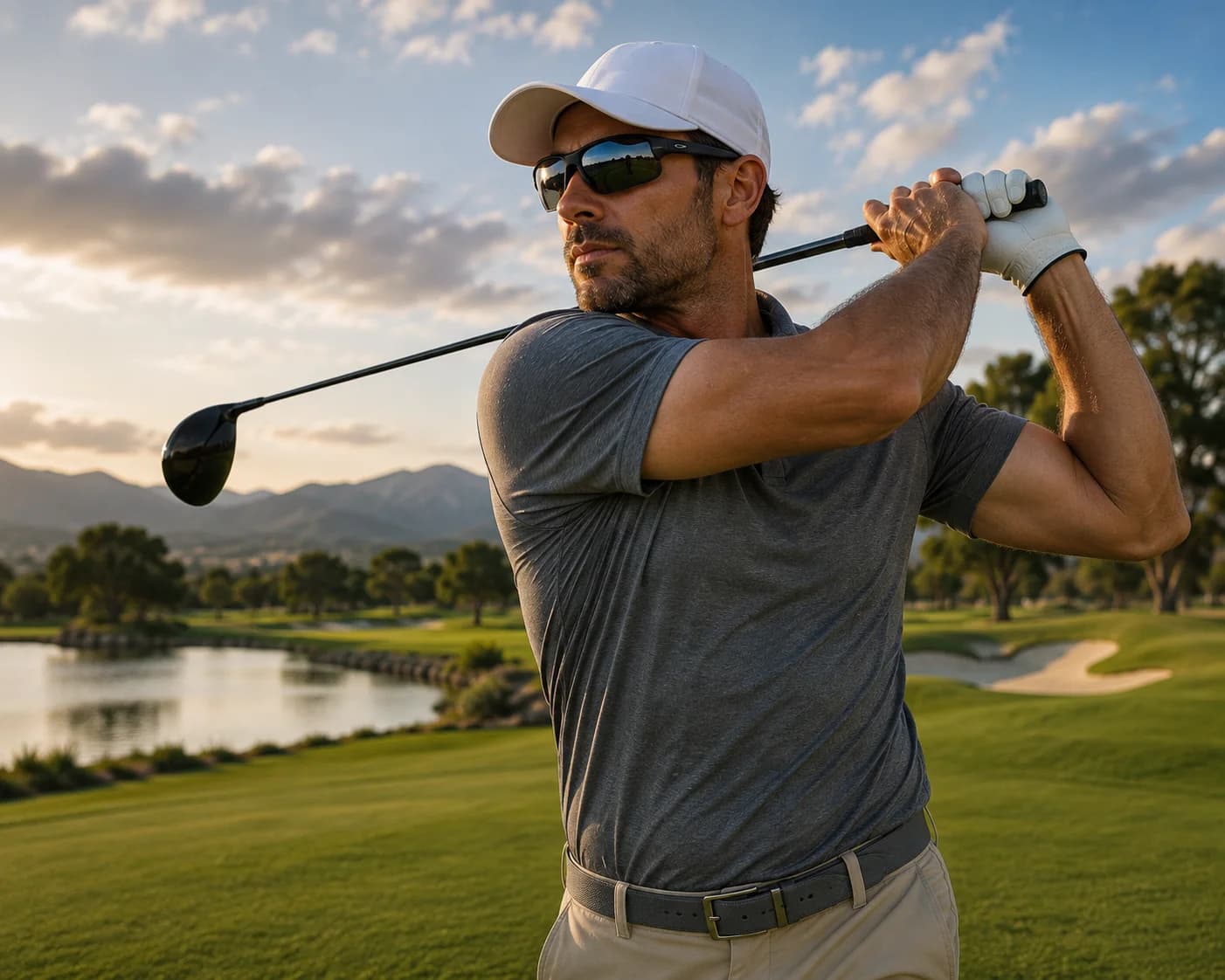
Consider for: Outdoor sports, including cycling, running, golf, fishing and winter activities.

Learn more

06 — Impact-Focused Options

Consider the Complete Eyewear System

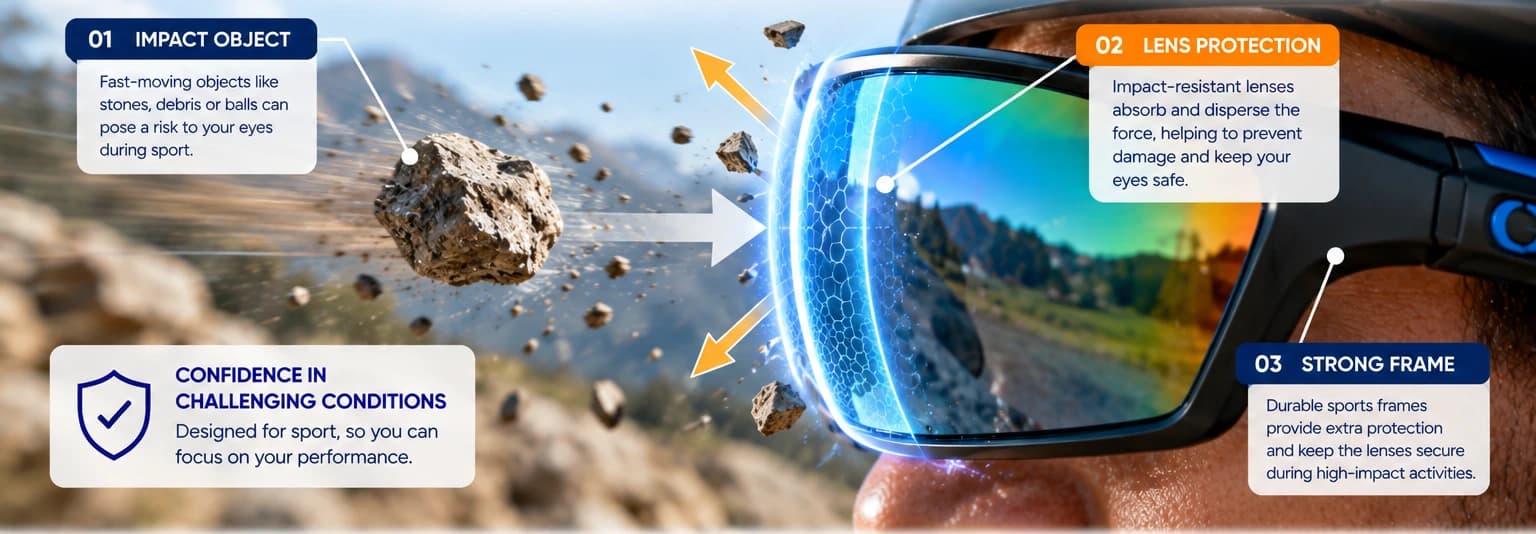
Diagram illustrating impact considerations across the lens, frame and complete eyewear system.

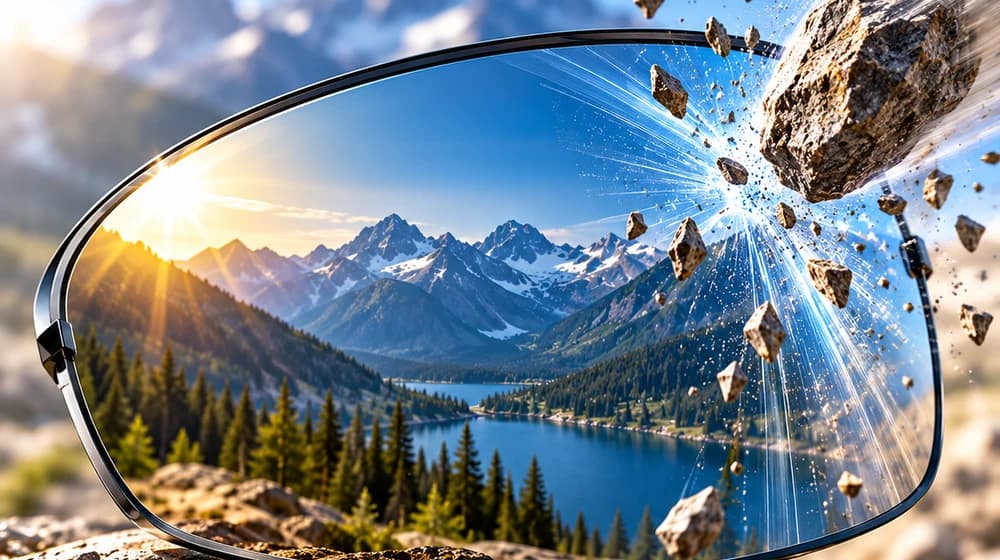
Where impact is a concern, consider the frame, lens material, retention system, coverage and applicable testing together. A sports-style frame is not automatically protective eyewear.

Consider for: Activities where the product specification confirms appropriate protection for the intended use.

Learn more

Which Lens Technology Do You Need?

Quickly see which lens technology is best for different conditions and activities.

Quick comparison of sports lens technologies by visual concern
TechnologyBest For
PolarisedReflected glare
PhotochromicChanging light
Anti-fogCondensation
HydrophobicRain or spray
UV protectionOutdoor exposure
Appropriate tested frame/lens combinationPotential impact

Why Sports Lenses Are Different

Clearer Vision

Lens choices matched to the conditions you regularly face.

Visual Comfort

Tints and treatments considered around prolonged active use.

Glare Management

Options for bright or reflective environments.

Changing Conditions

Technologies that respond to light, moisture or temperature.

Prescription Compatibility

The technology still needs to work with your prescription and frame.

How to Choose Your Sports Lens

  1. 01

    Know Your Sport

    Identify the movement, equipment and visual demands involved.

  2. 02

    Assess Your Conditions

    Consider light, glare, weather, temperature and moisture.

  3. 03

    Consider Your Prescription

    Confirm which frames and lens designs are suitable.

  4. 04

    Select Technology With a Purpose

    Choose features that solve the problems you actually encounter.

  5. 05

    Check the Complete Fit

    Make sure the frame, lenses and any equipment work together comfortably.

Prescription Sports Lens Options

Our lens technologies can be combined with your prescription, subject to frame and lens suitability.

Single Vision

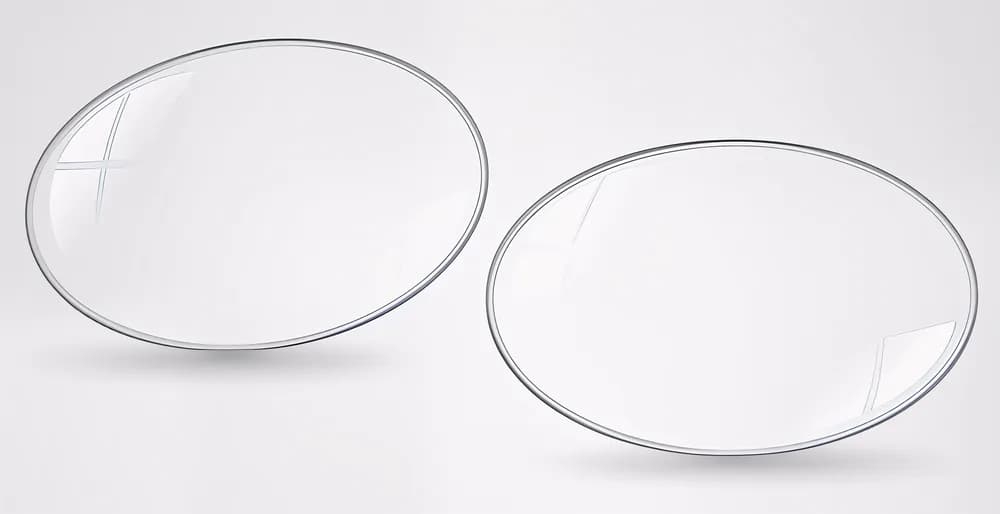
A pair of clear single-vision lenses.

Clear vision at one distance, subject to prescription and frame suitability.

Varifocal

Blue sports eyewear representing a varifocal-ready frame option.

Vision across different distances. Suitability depends on the prescription, frame shape and available lens design.

Custom Lens Options

A sports lens demonstrating a custom light-adaptive treatment.

Suitable tints, coatings and treatments can be considered around the sport and conditions. Available combinations vary by product and prescription.

Lens Technology by Condition

Find the right technology for the conditions you face.

Bright Sun

Bright mountain sunlight illustrating outdoor UV exposure.

Consider suitable tinting, UV protection and, where relevant, polarisation.

Changing Light

Photochromic sports lens adapting between clear and dark states.

Consider photochromic lenses.

Cold or High-Intensity Activity

Sports lens illustrating condensation and clear vision in changing temperatures.

Consider anti-fog technology and suitable ventilation.

Rain, Spray or Moisture

Hydrophobic sports lens with water droplets on its surface.

Consider hydrophobic treatment.

Impact Concern

Sports lens illustrating an impact-focused lens option.

Check the complete product specification and applicable testing.

Frequently Asked Questions

Runner wearing sports glasses in mountain conditions.

The Right Lens. The Right Conditions. The Right You.

Choose lens technology because it solves a real problem for your sport—not simply because it adds another feature.