01
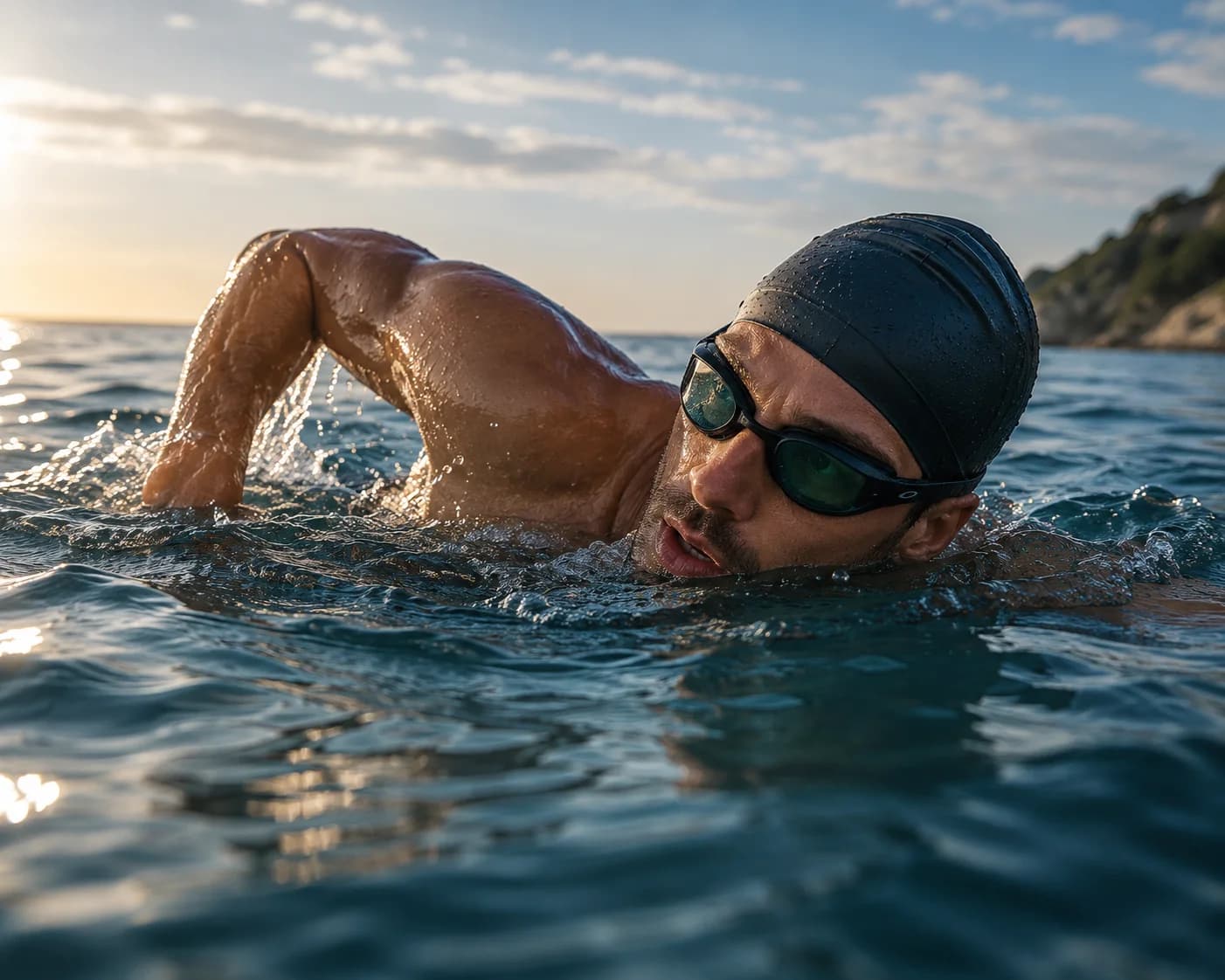
What Are Prescription Sports Glasses?

Designed to provide clear, stable vision with features that suit the demands of your sport.
Learn more
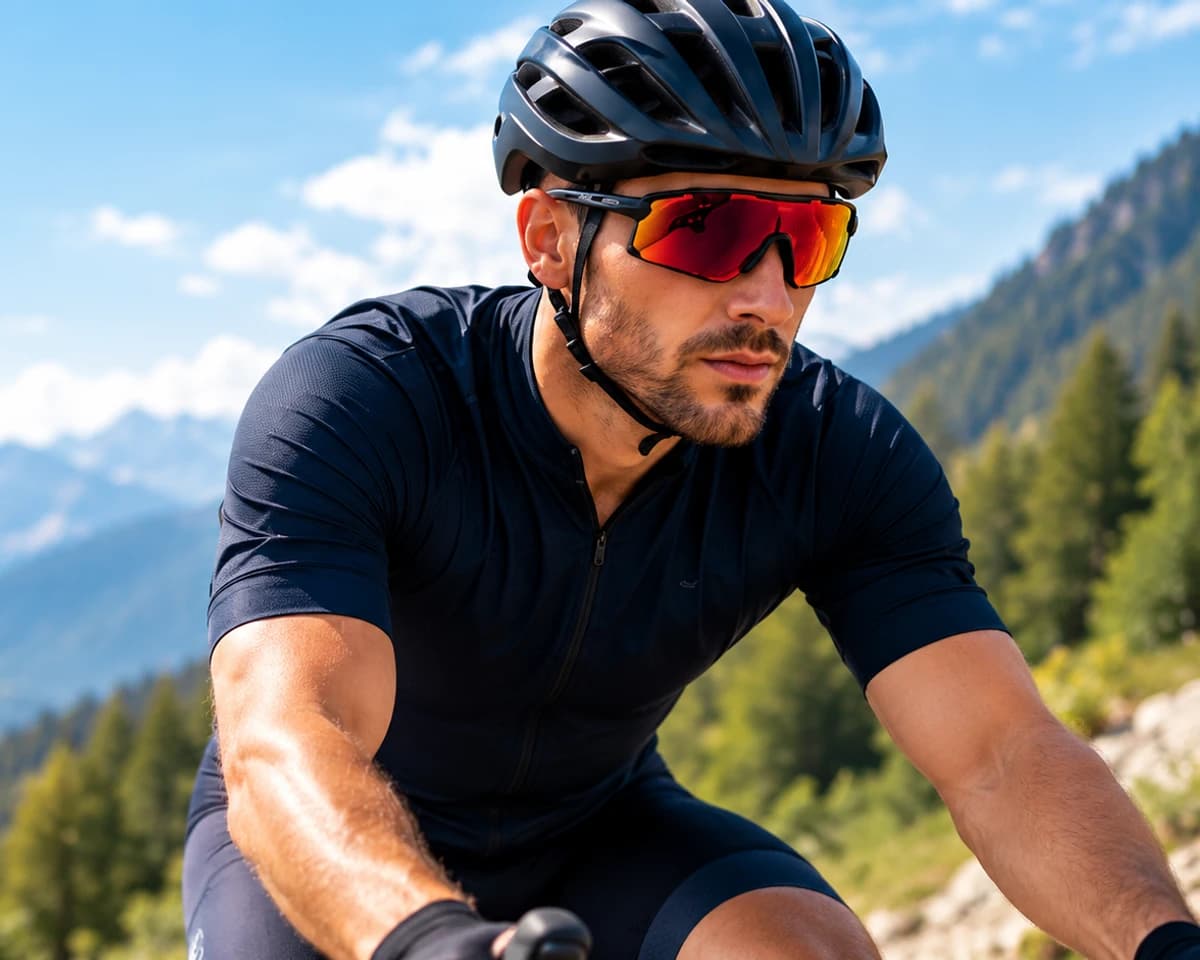
Prescription Sports Glasses
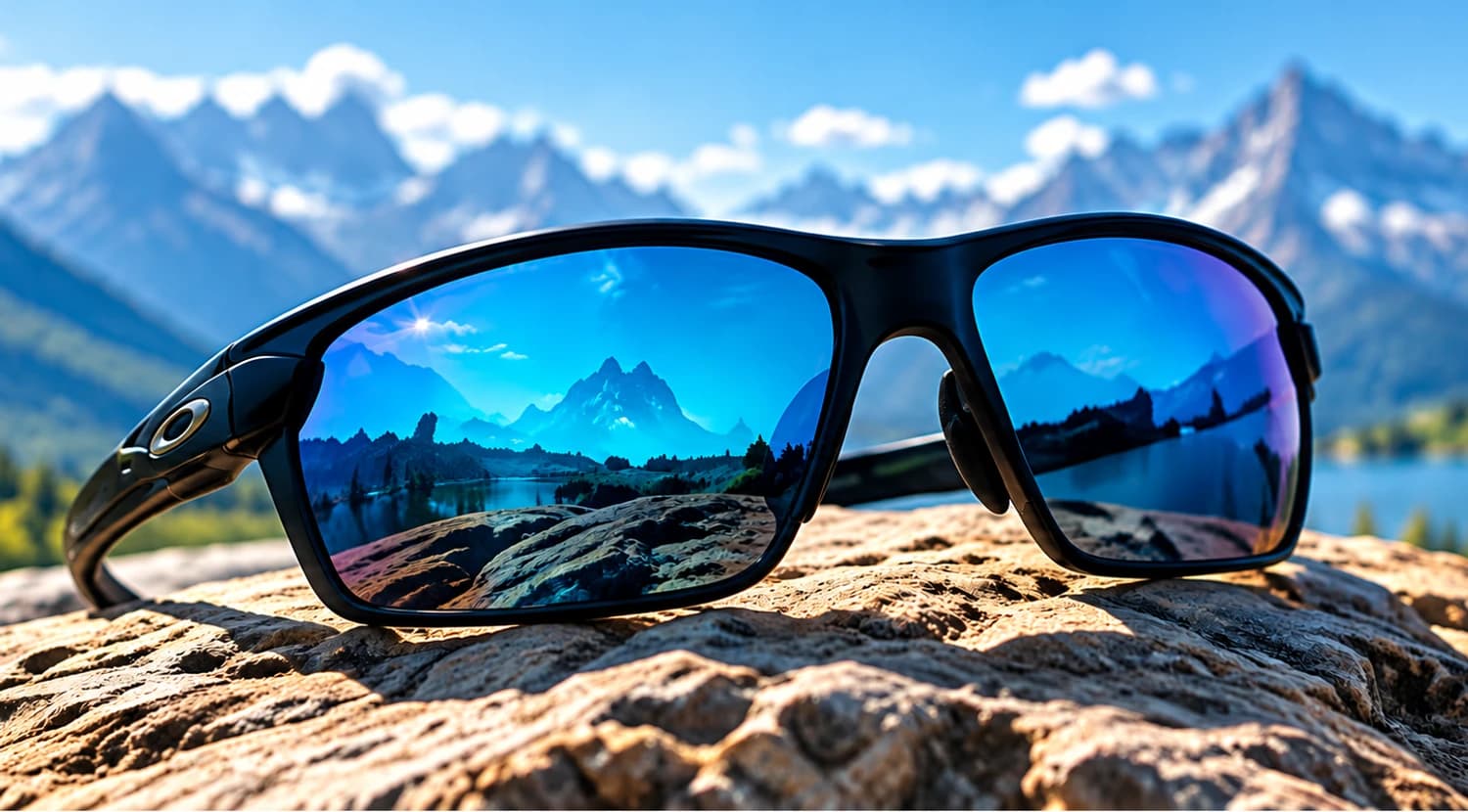
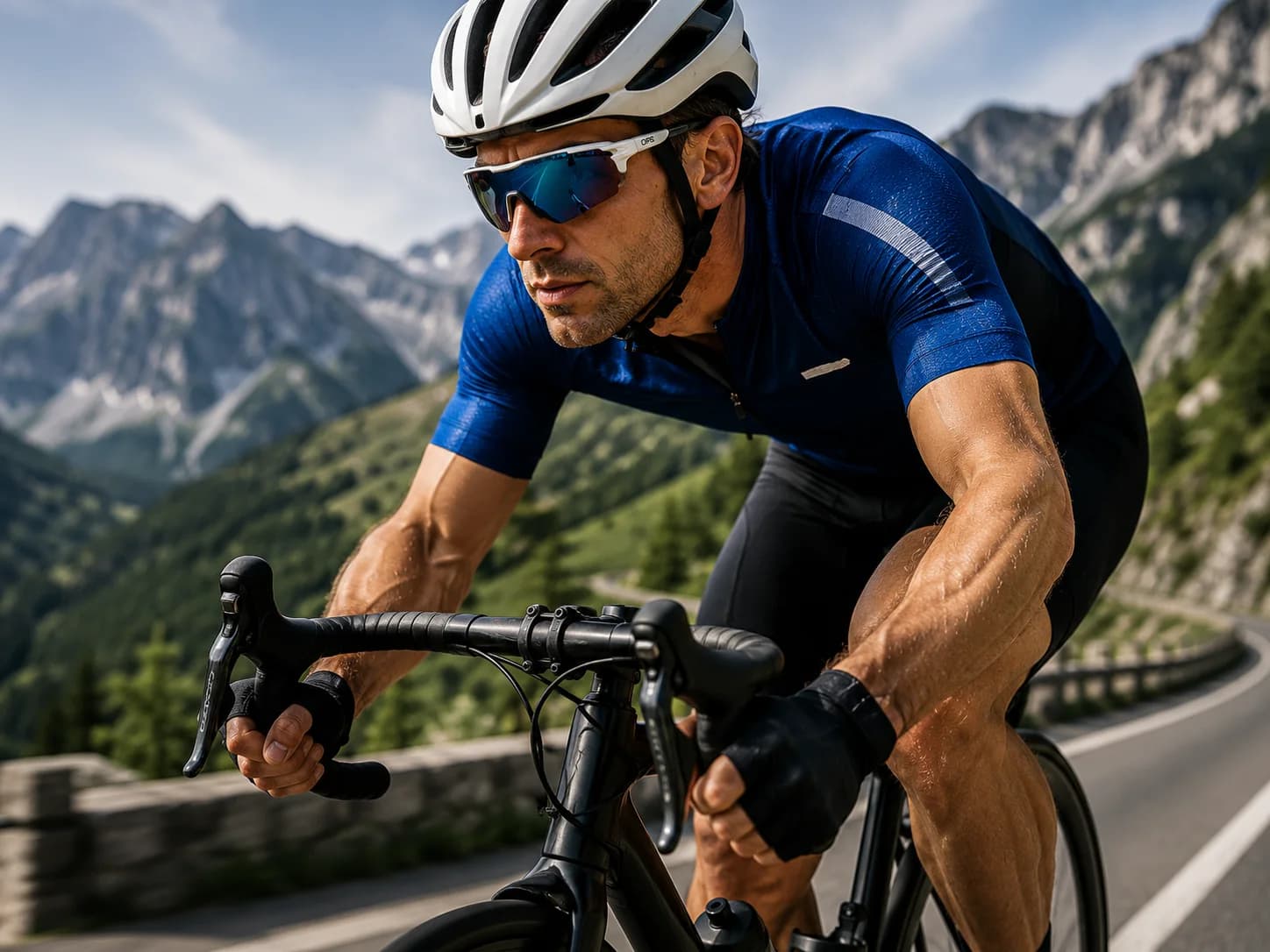
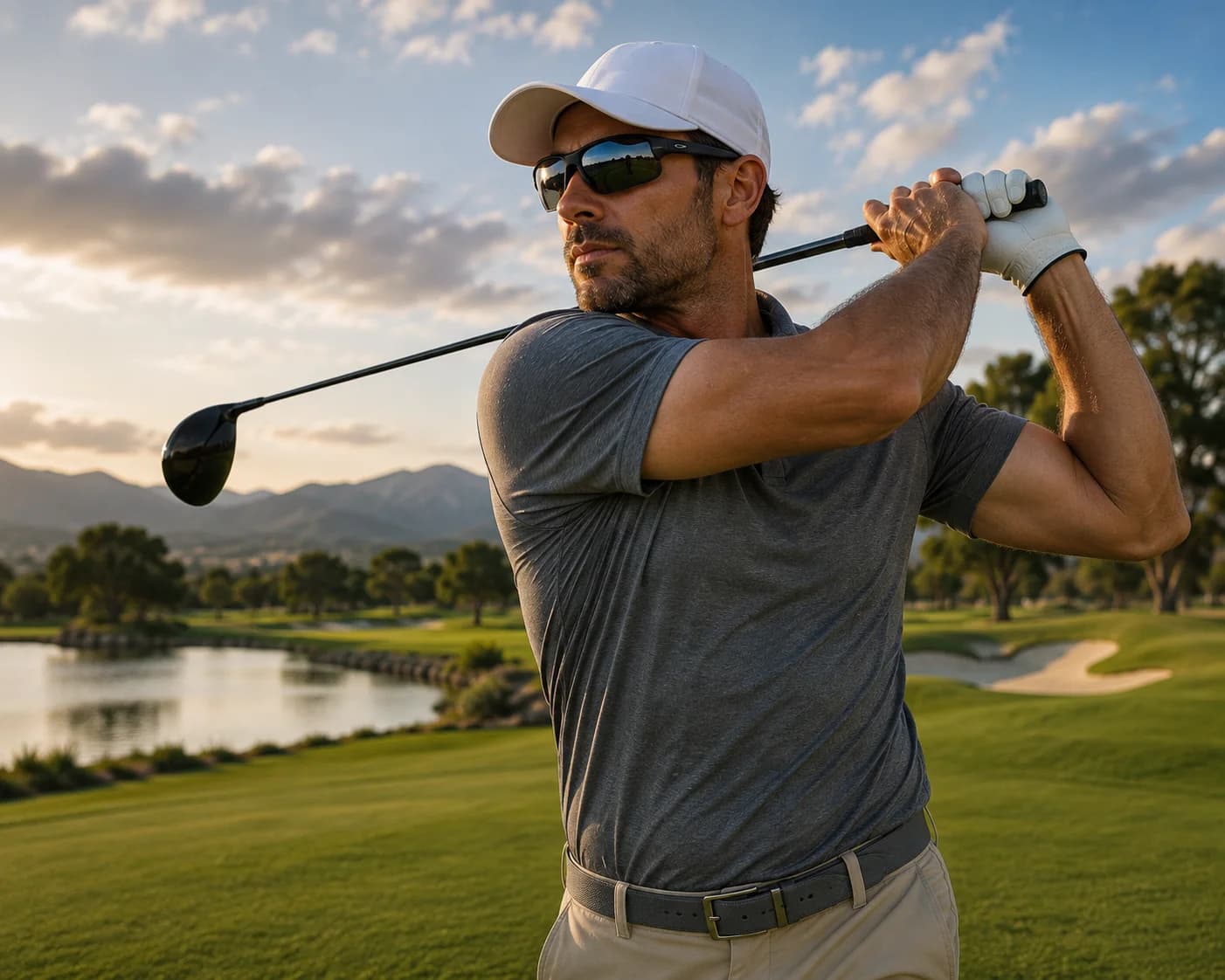
Prescription sports glasses designed for comfort and clarity — so you can focus on your sport, not your eyewear.
Prescription Ready
Single-vision and varifocal options on suitable frames.
Built for Movement
Frame designs considered around active use.
Expert Advice
Help choosing a frame and lens combination.
Considered Fit
Your prescription, sport and frame assessed together.
Designed to provide clear, stable vision with features that suit the demands of your sport.
Learn more
Everyday glasses may not be enough. Find out if prescription sports glasses are right for you.
Learn more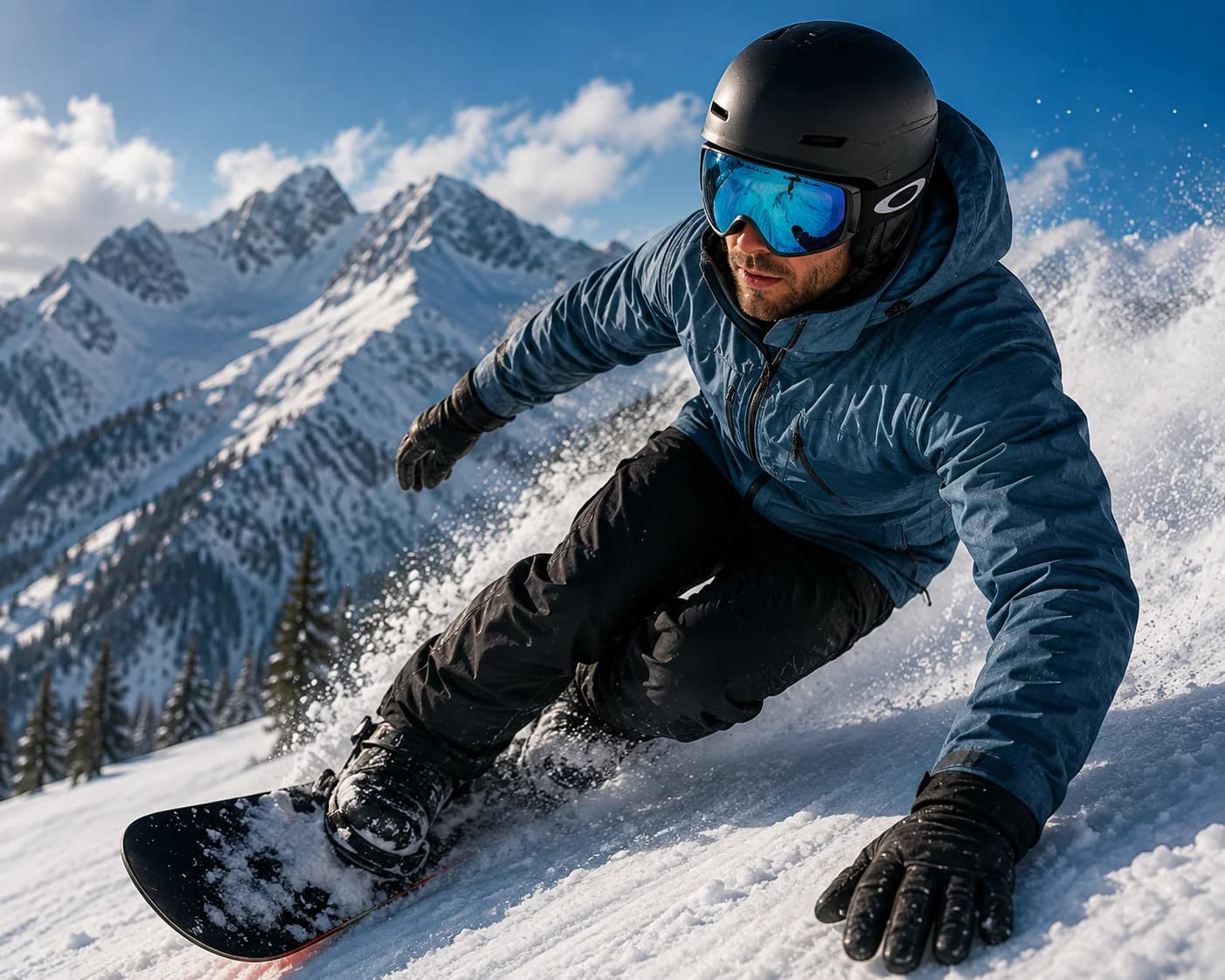
See the thinking behind the frame. From grip and padding to durability and wider vision — every detail is designed for real movement.
Learn moreSmall frame details become more noticeable when you are moving. Grip, bridge design, coverage and materials all affect how the eyewear feels and performs during activity.
Stays in place when you move
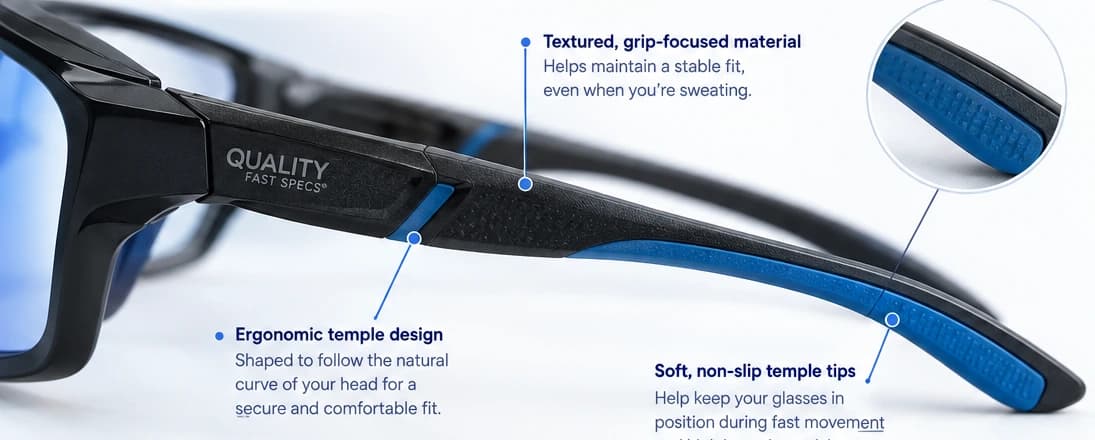
Textured or non-slip contact areas can help reduce movement when you turn, run or sweat. Fit still depends on the individual frame and wearer.
A secure fit means less time readjusting your glasses.
More comfort at an important contact point
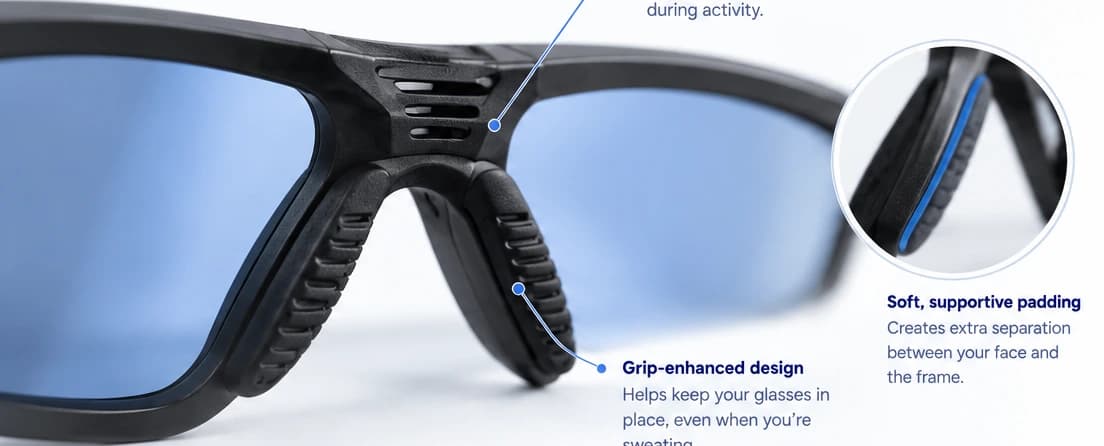
Some sports frames include additional cushioning around the bridge to improve comfort and create separation between the frame and your nose.
Padding is a comfort feature; it does not make every frame impact-rated.
Performance, protection and comfort — so you can focus on your sport, not your eyewear.
Helps reduce unwanted movement during activity.
Can improve comfort around the bridge and nose.
Materials and frame design considered for active use.
Larger lens areas can provide broader coverage on selected frames.
Fit and contact points matter during longer sessions.
Lens choices can be matched to light, glare, fogging and moisture.
A closer look at the technology and design features that help you perform at your best.
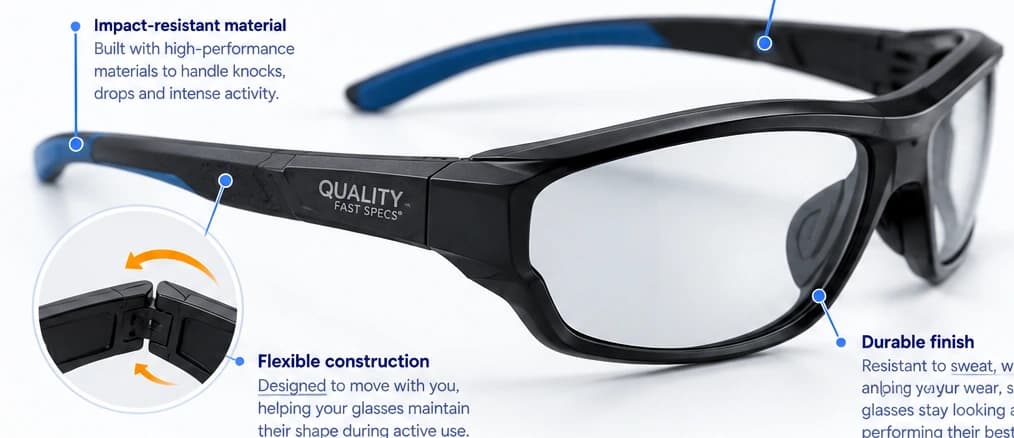
Frame construction and materials should suit the movement and everyday knocks associated with your activity.
Learn more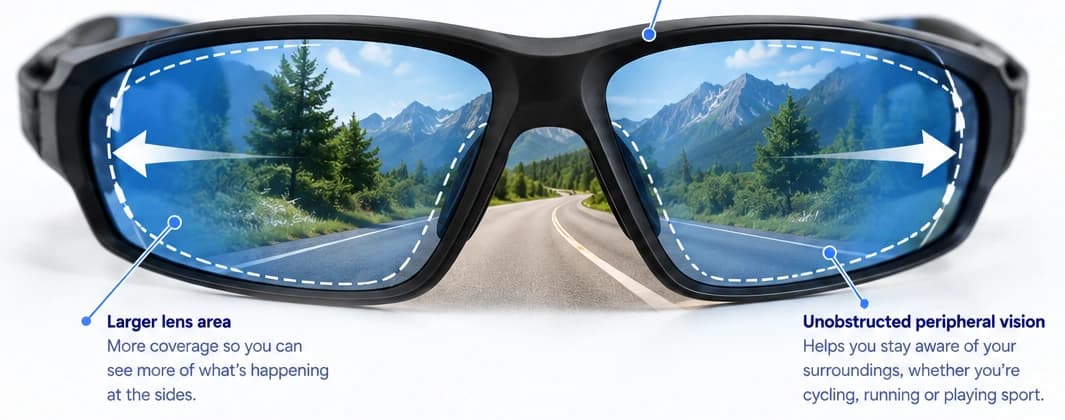
Selected frame shapes provide a larger lens area, helping you stay aware of movement beyond your central vision.
Learn more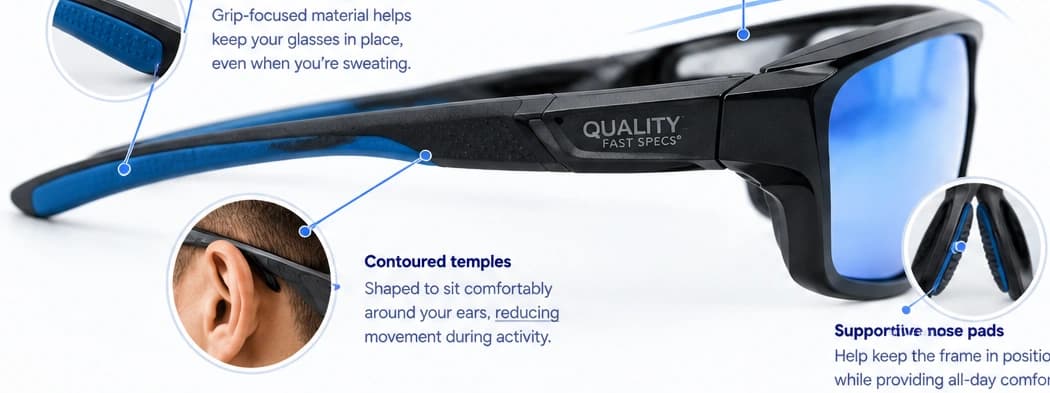
Contoured temples and secure contact points can help the frame follow your movement.
Learn more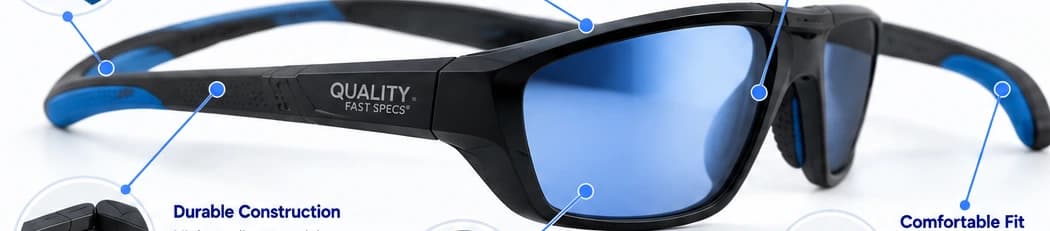
The bridge, temples, frame shape and lenses need to work together rather than being chosen in isolation.
Learn moreAdvanced lenses help you adapt to light, weather and the demands of your sport.
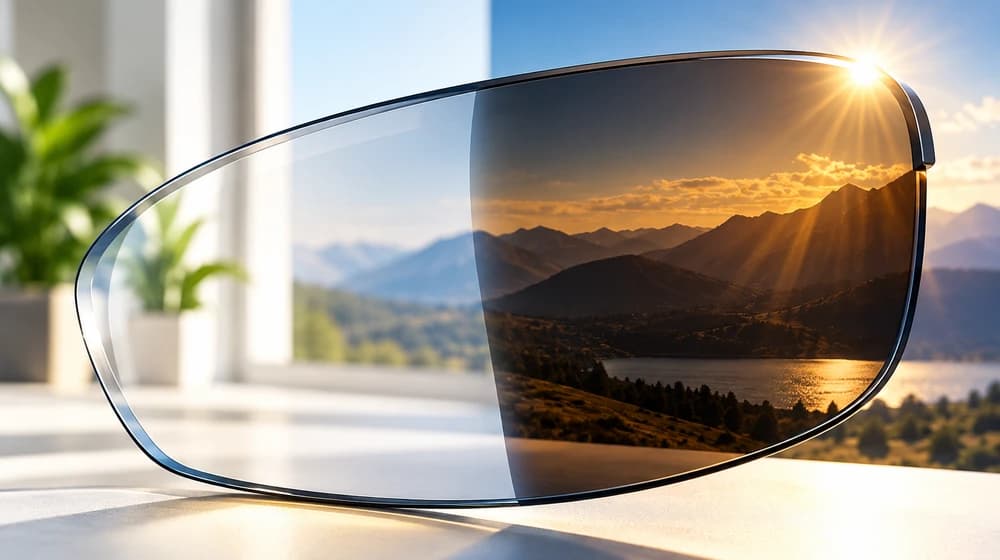
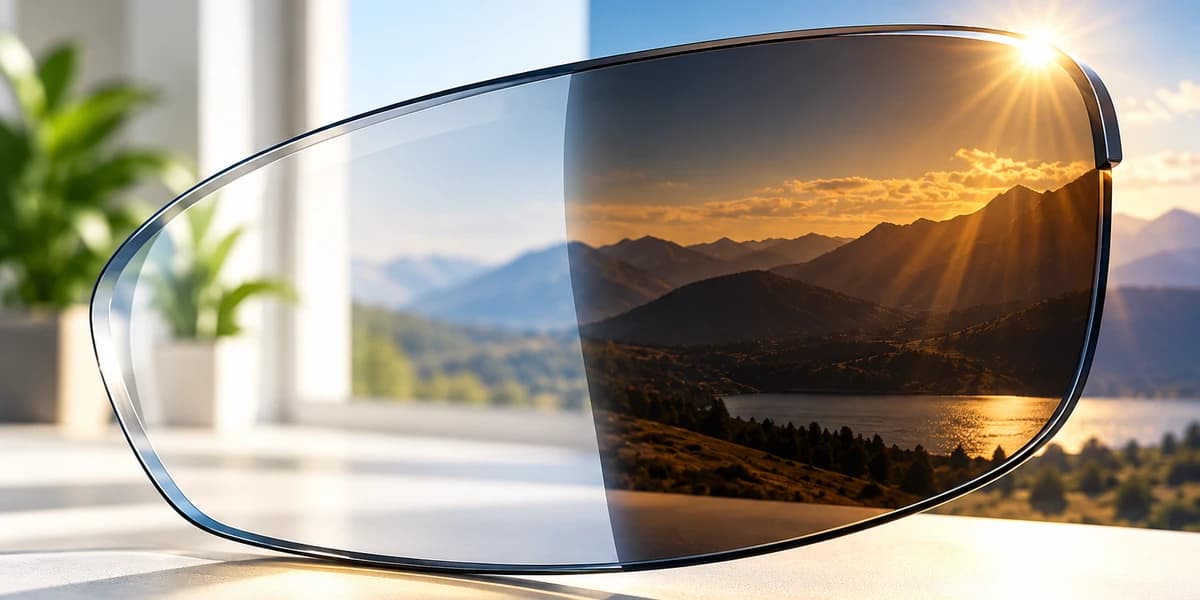
Adapts to changing light; worth considering for outdoor activities with variable conditions.
Learn more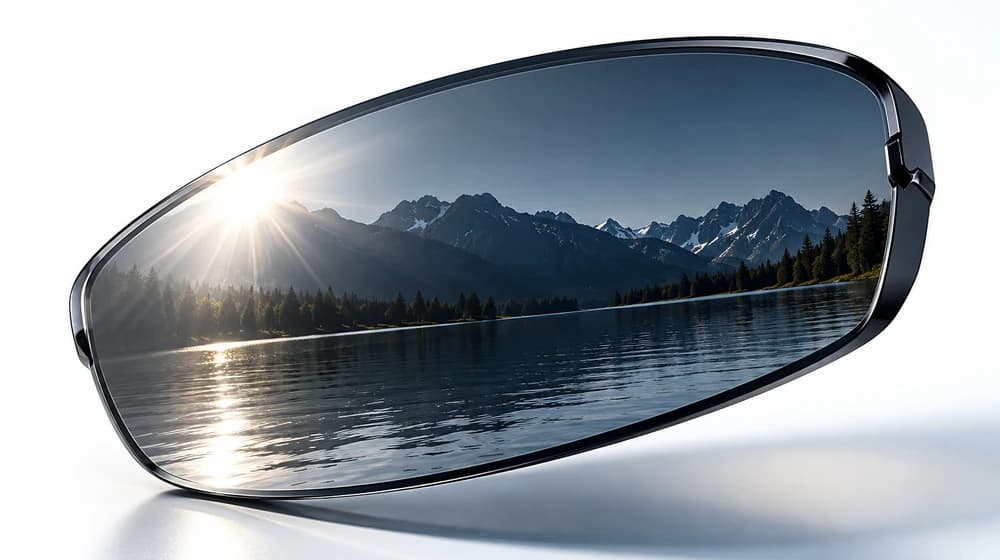
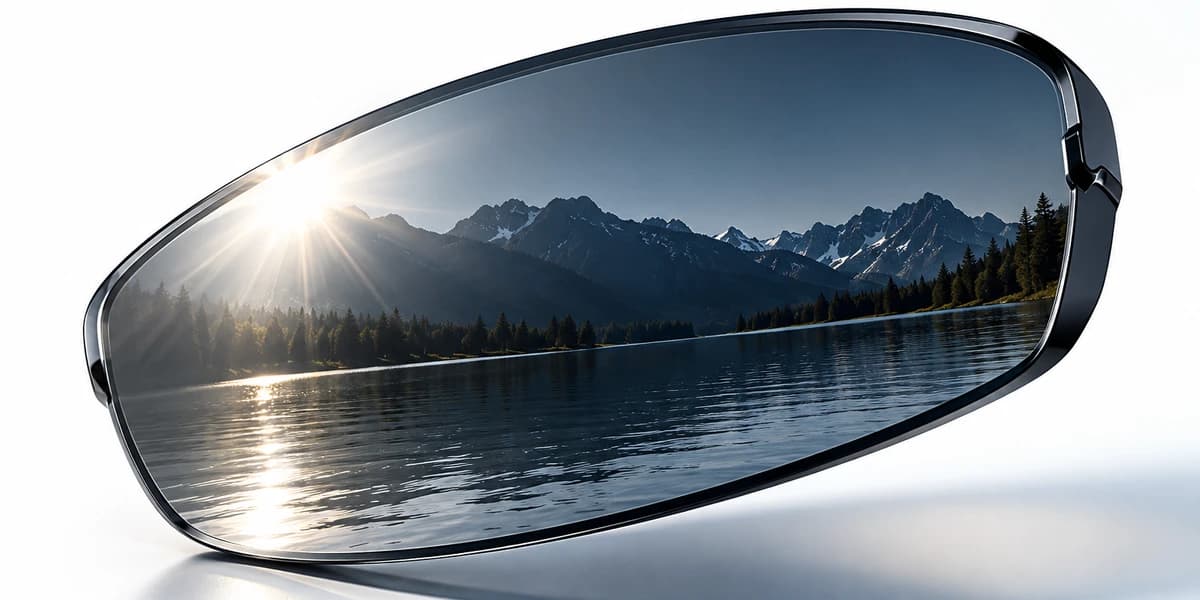
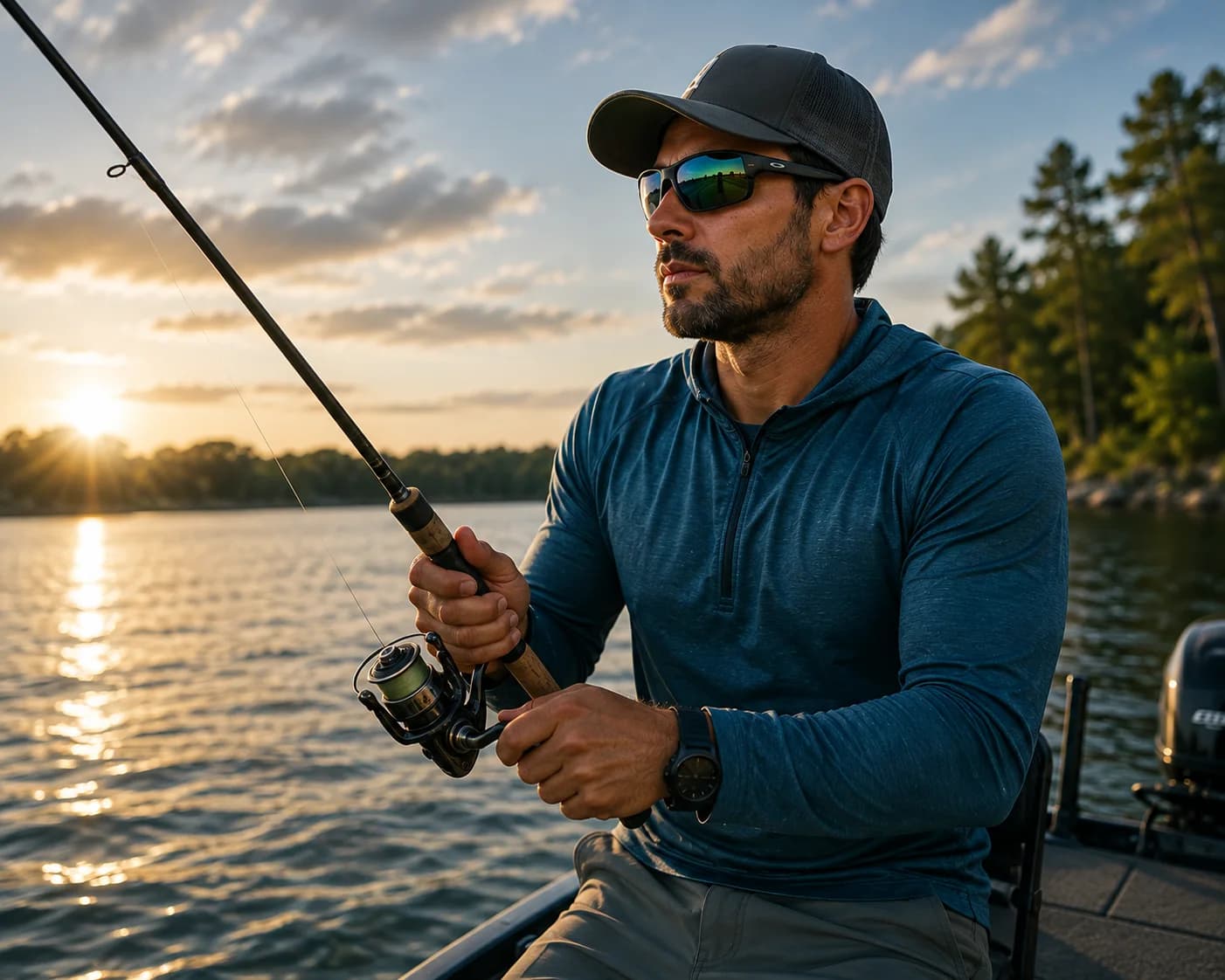
Reduces reflected glare; particularly relevant around water and other reflective surfaces.
Learn more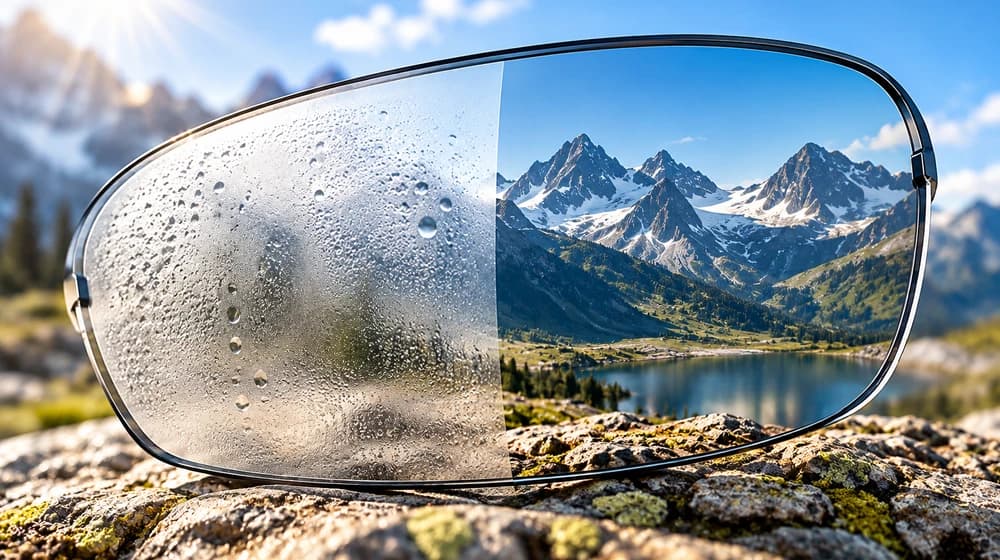
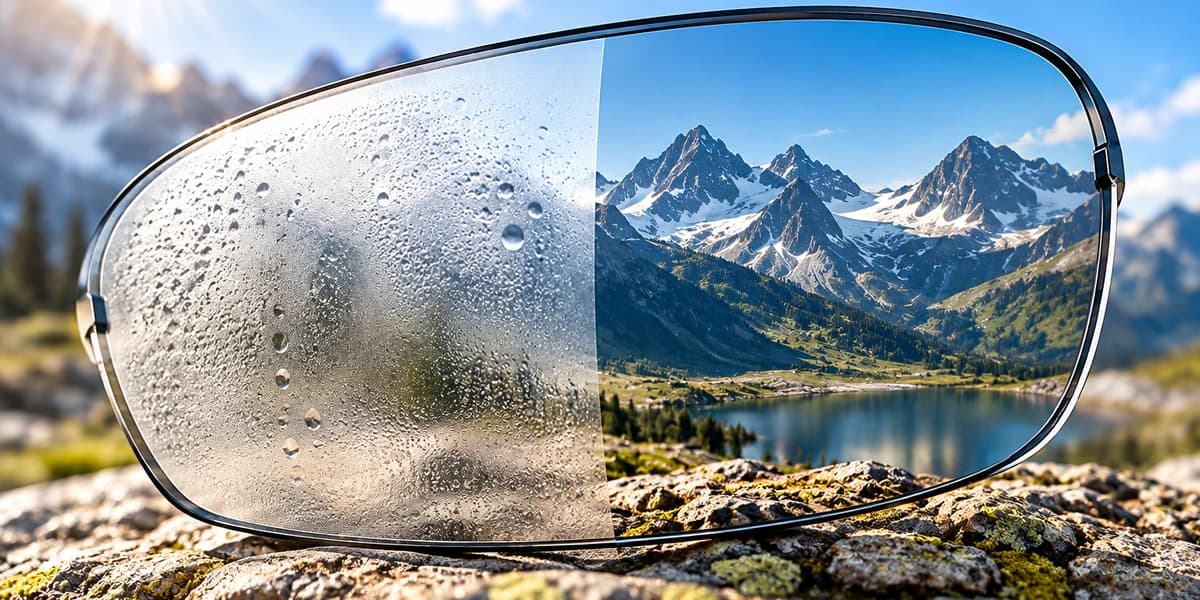
Helps manage condensation during exercise, temperature changes or helmet use.
Learn more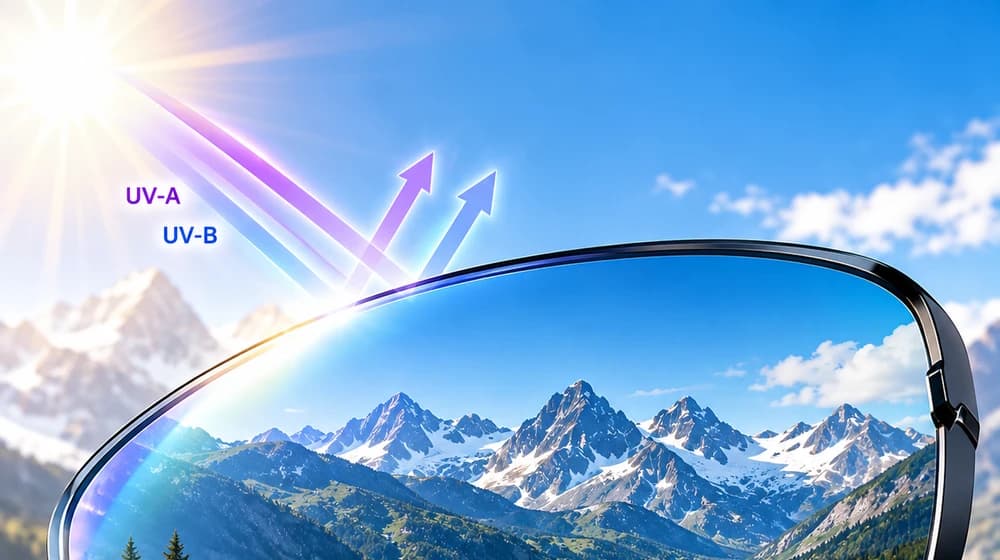
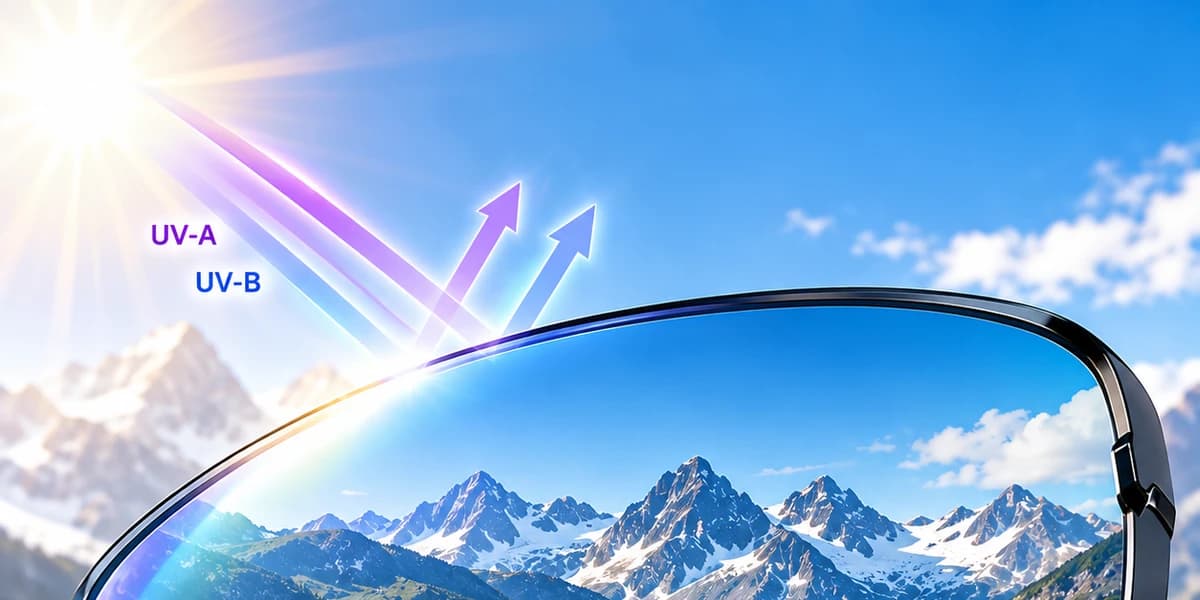
An important consideration for outdoor sport; check the individual lens specification.
Learn more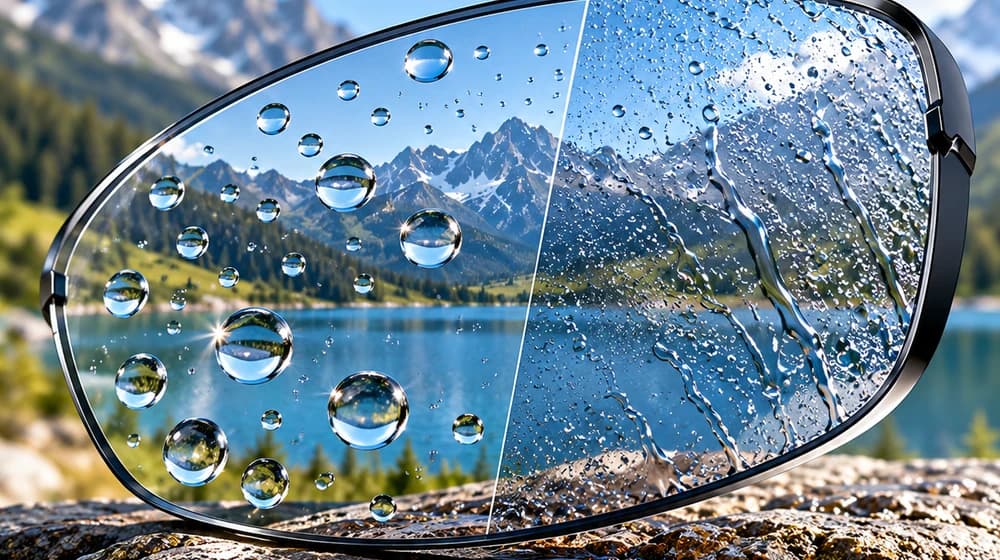
Helps water and moisture move away from the lens surface.
Learn more
Consider the complete frame, lens material, retention system and applicable testing where impact is a concern.
Learn moreVision correction that keeps up with your sport.
Clear vision for one distance.
Vision at different distances, subject to frame and prescription suitability.
A simple 4-step process to better vision and performance.
Consider your activity, movement and equipment.
Think about light, glare, weather, moisture and temperature.
Check which frames and lens designs are suitable.
Review stability, comfort, coverage and compatibility with helmets or other equipment.
Start with the way you move, the conditions you face and the vision correction you need. Then choose the frame and lenses that bring those requirements together.